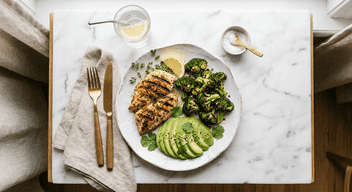
What Can I Eat for Dinner Without Carbs? 50+ Easy No Carb Dinner Ideas
What Can I Eat for Dinner Without Carbs? 50+ Easy No Carb Dinner Ideas
It’s 6 PM. You’re standing in the kitchen, exhausted, and your brain is screaming pizza. Or pasta. Or literally anything that involves bread. You know you’re trying to cut carbs, but honestly — what’s even left to eat?
If that sounds familiar, you’re not alone. Cutting carbs at dinner feels confusing at first. Most of us grew up with rice, pasta, or potatoes as the center of every plate. The idea of removing them can feel… empty. Like something important is missing.
But here’s the thing: low-carb dinners can be incredibly satisfying, delicious, and surprisingly simple. You don’t need to live on sad salads or feel like you’re punishing yourself. There’s a whole world of filling, flavorful meals waiting for you — you just need to know where to start.
In this guide, we’re covering everything. From quick weeknight meals to late-night snack ideas, from the #1 carb to avoid to a full 7-day dinner plan. Whether you’re just starting out or looking for fresh inspiration, this article has you covered.
Let’s dig in.
What Can I Eat for Dinner Without Carbs? {#what-can-i-eat}
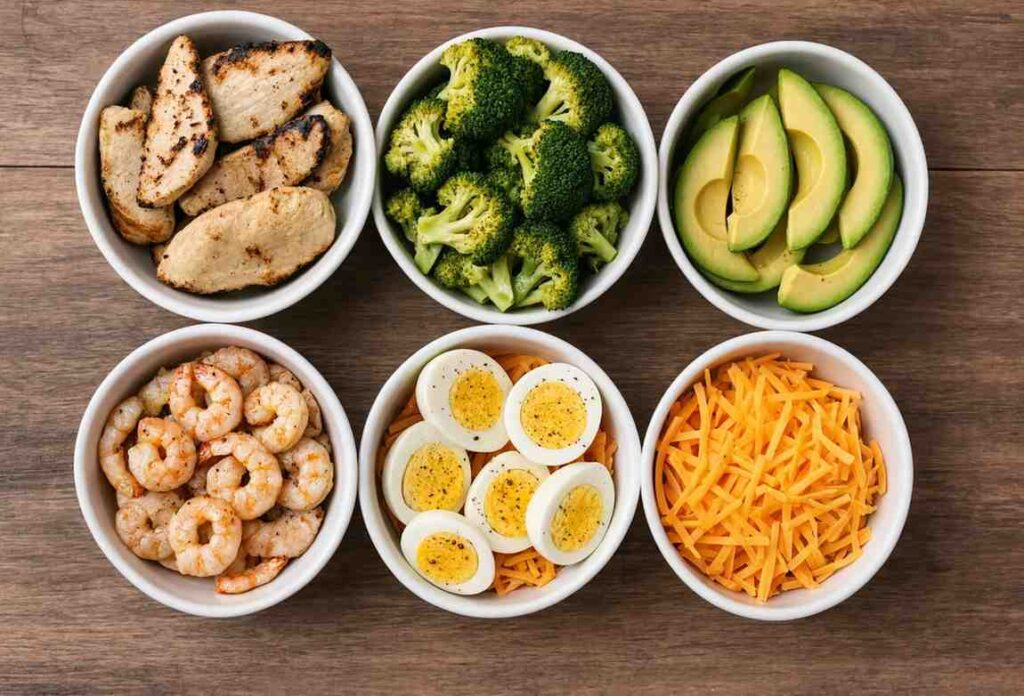
Great news: the list is long. A no-carb or very low-carb dinner is built around three pillars — protein, non-starchy vegetables, and healthy fats. Once you understand that framework, putting meals together becomes second nature.
The Three Pillars of a No-Carb Dinner
1. Protein is your anchor. Chicken, beef, salmon, shrimp, eggs, turkey — these are your best friends. They keep you full, support muscle, and have essentially zero carbs.
2. Non-starchy vegetables are your volume. Broccoli, spinach, zucchini, asparagus, cauliflower, cucumber, lettuce — these add fiber, nutrients, and bulk without spiking blood sugar.
3. Healthy fats make it satisfying. Olive oil, avocado, butter, cheese — fat slows digestion and makes meals taste incredible.
Quick No-Carb Dinner Examples
- Grilled chicken breast + steamed broccoli + olive oil drizzle
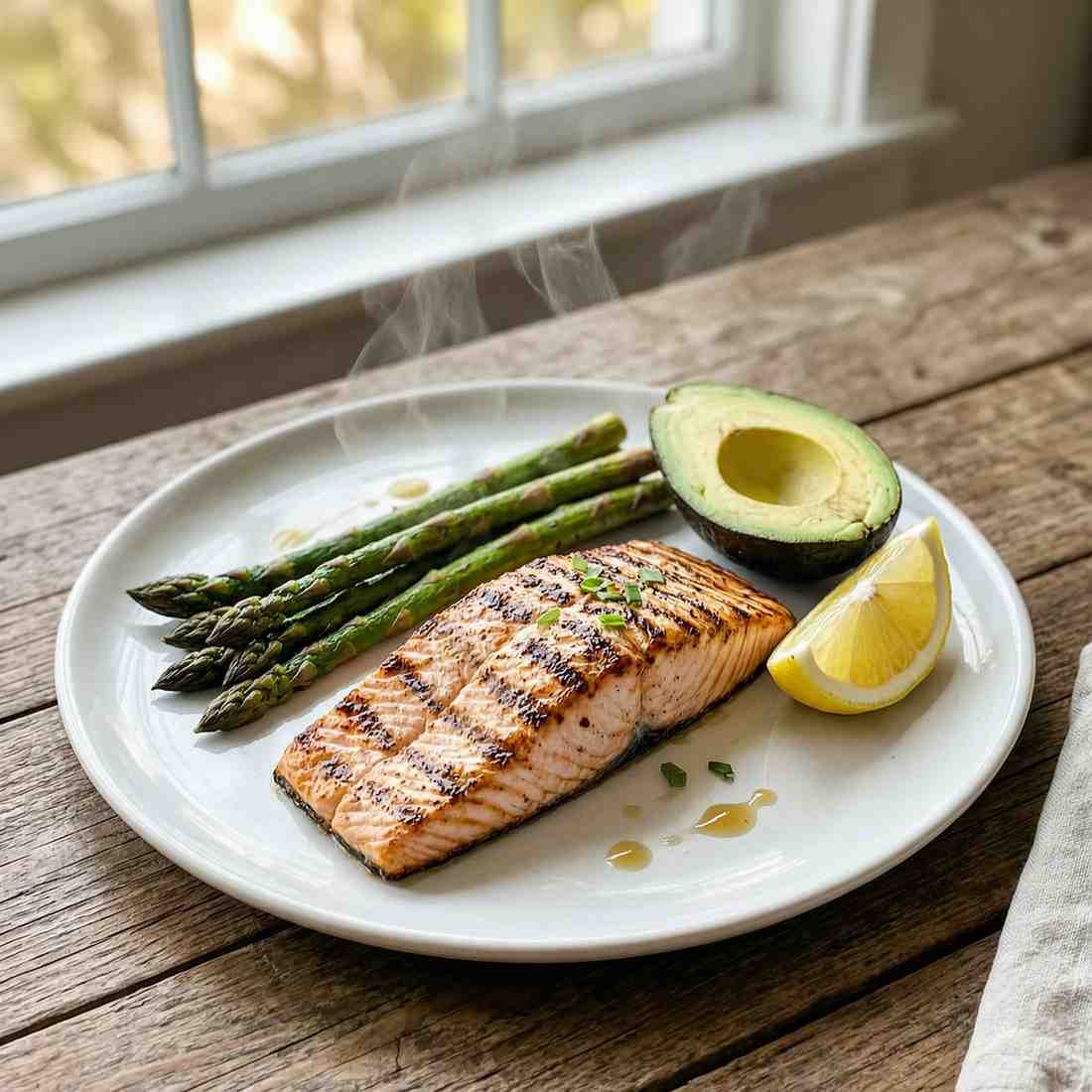
- Baked salmon + roasted asparagus + lemon butter
- Ribeye steak + side salad with avocado
- Scrambled eggs + sautéed spinach + cheese
- Lettuce wrap burgers (yes, really — they’re delicious)
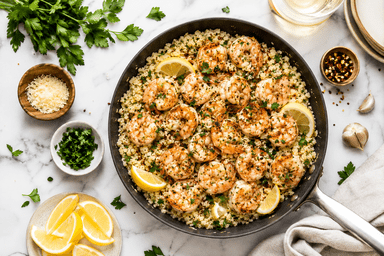
- Shrimp stir-fry with zucchini noodles
- Turkey meatballs with marinara + cauliflower mash
At-a-Glance Meal Table
| Meal | Main Protein | Carb Level |
|---|---|---|
| Grilled Chicken + Broccoli | Chicken | Very Low |
| Salmon + Asparagus | Salmon | Very Low |
| Steak + Side Salad | Beef | Very Low |
| Eggs + Sautéed Veggies | Eggs | Nearly Zero |
| Lettuce Wrap Burger | Ground Beef | Very Low |
| Shrimp + Zucchini Noodles | Shrimp | Low |
| Turkey + Cauliflower Mash | Turkey | Low |
What Is the Number One Carb to Avoid? {#number-one-carb}
If there’s one carb you should cut first, it’s ultra-processed, refined carbohydrates — and at the top of that list sits white bread and sugary drinks.
Here’s why they’re so problematic:
- They spike blood sugar fast. Refined carbs are digested almost instantly, causing a rapid rise — and then crash — in blood sugar. That crash is what makes you hungry again an hour after eating.
- They offer almost no nutrition. White bread, pastries, and candy have had most of their fiber and nutrients stripped away. You get calories without the fullness.
- They trigger cravings. The blood sugar rollercoaster makes you crave more sugar and carbs, creating a frustrating cycle.
The Top Carbs to Minimize First
- Sugary drinks (soda, sweetened coffee, fruit juice, energy drinks)
- White bread and rolls
- Pastries, donuts, muffins
- Candy and sweets
- Chips, crackers, and highly processed snack foods
- Breakfast cereals with added sugar
The key insight: Not all carbs are equal. A sweet potato has carbs, but it also has fiber and nutrients. A glazed donut has carbs and almost nothing else. Start by cutting the “empty” carbs first.
Staying realistic here matters. You don’t have to be perfect — cutting most of the refined stuff makes a huge difference without requiring you to become a monk.
What Is a Good Dinner With Low Carbs? {#good-low-carb-dinner}
“Good” means different things to different people — some want fast and easy, others want something that feels like a real meal. The good news is that low-carb dinners can be both.
Here are some crowd-pleasing options that feel satisfying and are genuinely easy to make:
Practical Low-Carb Dinner Ideas
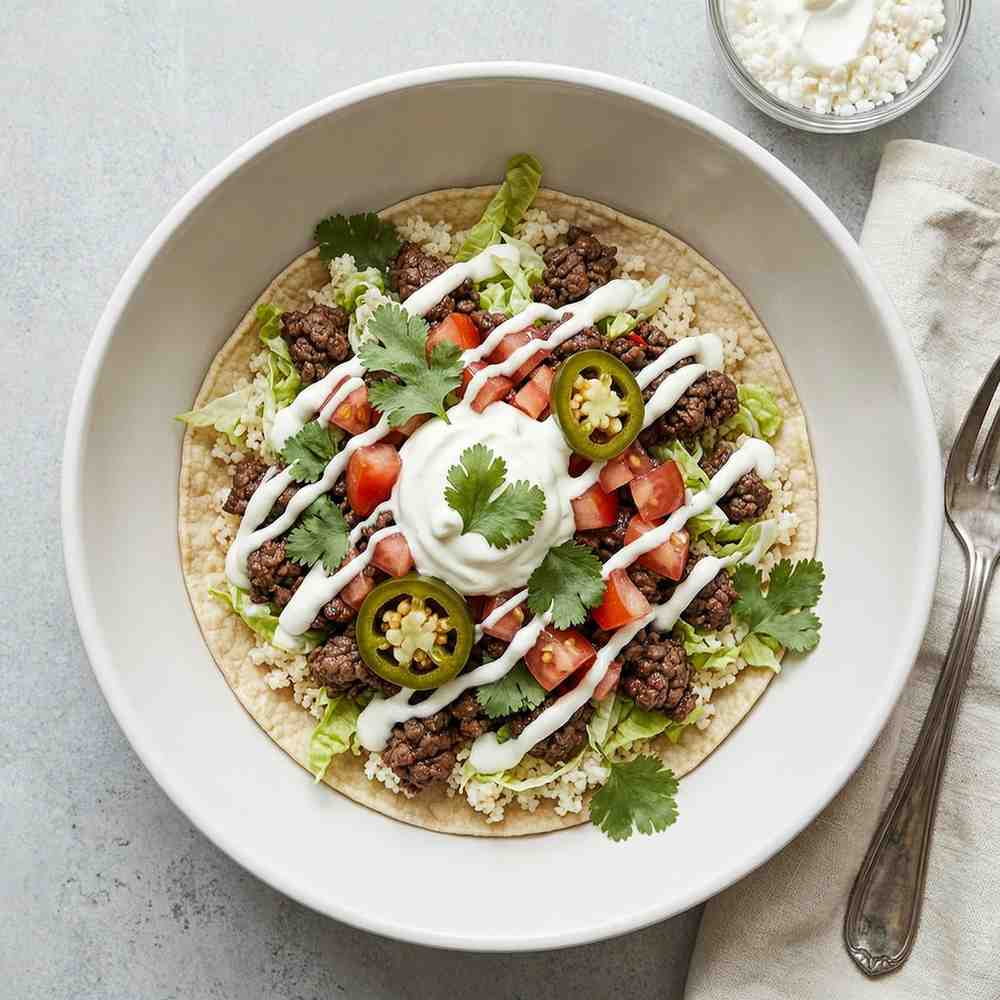
- Taco bowls without rice — seasoned ground beef or chicken, salsa, shredded cheese, sour cream, lettuce, served in a bowl
- Zucchini noodle pasta — with your favorite tomato or pesto sauce and meatballs
- Cauliflower rice stir-fry — with chicken, soy sauce, sesame oil, and veggies
- Bunless burgers — in a lettuce wrap or over a bed of greens
- Grilled shrimp skewers — with garlic butter and a cucumber salad
- Baked chicken thighs — with roasted Brussels sprouts and olive oil
- Sheet pan salmon — with bell peppers and asparagus
Dinner Ideas Table
| Dinner Idea | Why It Works | Prep Time |
|---|---|---|
| Taco Bowl (no rice) | Familiar flavors, easy to customize | 15 min |
| Zucchini Noodle Pasta | Pasta feel, fraction of the carbs | 20 min |
| Cauliflower Rice Bowl | Versatile base for any protein | 20 min |
| Lettuce Wrap Burger | Burger satisfaction, no bread needed | 15 min |
| Grilled Shrimp Skewers | Fast, light, protein-packed | 10 min |
| Sheet Pan Salmon + Veggies | One pan, minimal cleanup | 25 min |
What Is Filling but Has No Carbs? {#filling-no-carbs}
What Can I Eat for Dinner Without Carbs? 50+ Easy No Carb Dinner Ideas
This is one of the most common fears about going low-carb: “Will I actually feel full?”
Yes — and here’s why.
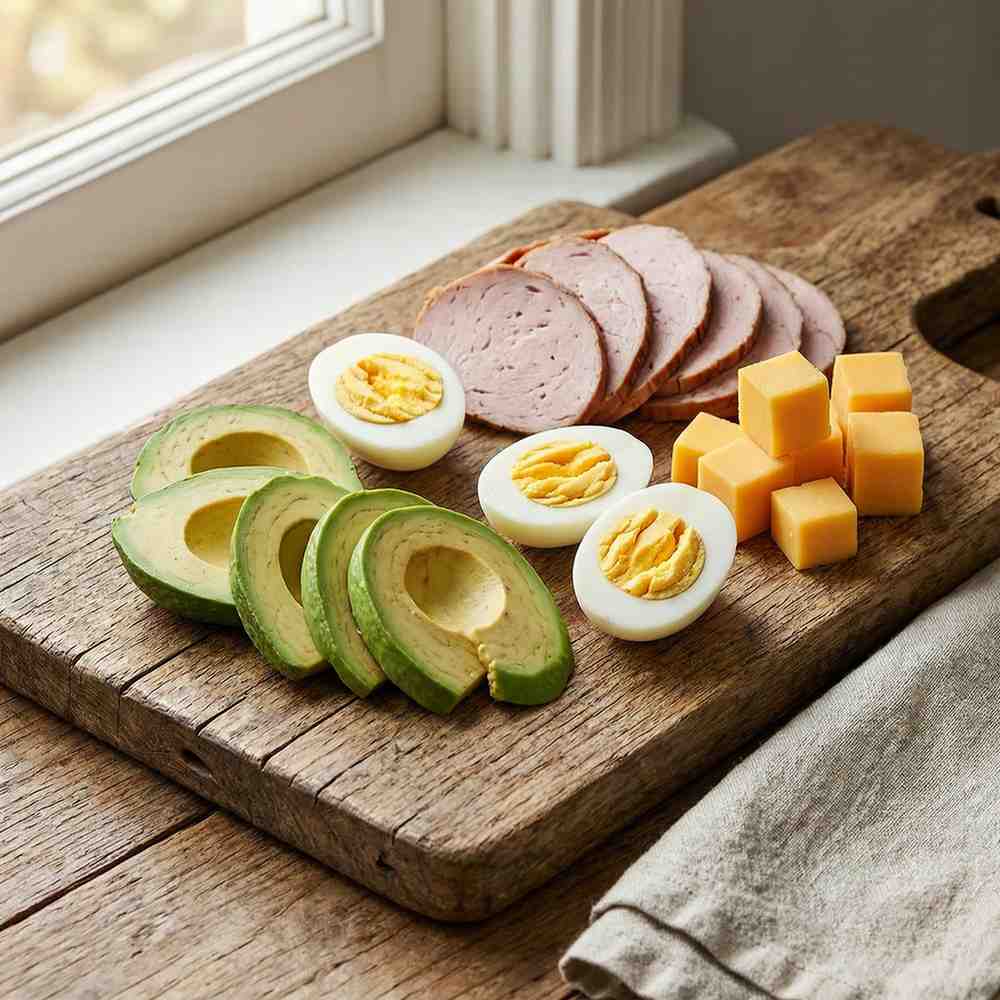
Protein and fat are the two most satiating macronutrients. They take longer to digest, slow down gastric emptying, and trigger satiety hormones more powerfully than carbs do. That means you stay full longer with fewer calories.
The Most Filling Zero (or Near-Zero) Carb Foods
- Eggs — one of the most satiating foods on earth, studied and proven
- Chicken breast or thighs — lean protein that fills you up fast
- Turkey — high protein, incredibly versatile
- Salmon and tuna — protein and healthy omega-3 fats = double satiety
- Cheese — fat and protein combo that satisfies cravings
- Avocado — healthy fats that slow digestion significantly
- Ground beef — rich, filling, satisfying in almost any form
- Greek yogurt (plain, full-fat) — high protein, probiotic bonus
The key is combining protein with healthy fat at dinner. A chicken breast with avocado and olive oil will keep you fuller than a chicken breast alone. Don’t be afraid of fat — it’s your satiety ally.
Are Potatoes Allowed on a Low-Carb Diet? {#potatoes}
Potatoes are one of those foods with a complicated reputation. Here’s the honest answer:
Potatoes are nutritious — but they are high in carbs. A medium baked potato contains roughly 30–37 grams of carbs. On a strict low-carb or keto diet (under 20–50g of carbs per day), that’s often most or all of your daily carb budget in one vegetable.
It Depends on Your Approach
- Strict keto (under 20g carbs/day): Potatoes are generally not recommended.
- Moderate low-carb (50–100g carbs/day): A small portion of potatoes might fit occasionally.
- General healthy eating with fewer carbs: Potatoes in moderation are fine, especially with skin for extra fiber.
The Better Swap: Cauliflower
Cauliflower has become the superstar substitute for a reason. It can be:
- Mashed (tastes remarkably like mashed potatoes)
- Riced (works in bowls and stir-fries)
- Roasted (crispy and delicious)
One cup of cauliflower has about 5g of carbs vs. 30g+ in a potato. That’s a massive difference if you’re watching intake.
Bottom line: Potatoes aren’t poison — but if you’re trying to keep dinner low-carb, cauliflower is your new best friend.
What to Eat at Night With No Carbs? {#eat-at-night}
Late-night hunger is real, and reaching for chips or crackers is so tempting when you’re tired and your willpower is low. The trick is having satisfying, protein-rich options ready to go.
Best No-Carb Late-Night Snacks and Light Dinners
- Hard-boiled eggs — prep a batch on Sunday, grab one when hungry
- Turkey slices with mustard — fast, no cooking needed
- Cottage cheese — high protein, surprisingly filling, works with cucumber slices
- Grilled chicken strips — leftover from dinner? Even better
- Tuna salad with cucumber rounds — instead of crackers
- Cheese sticks or sliced cheese — satisfying fat + protein
- Plain Greek yogurt — add a few berries if you’re not strict keto
- Celery with almond butter — crunchy, filling, and low-carb
Why Protein Matters at Night
Eating protein before bed actually has some benefits — it can support muscle repair during sleep and reduce hunger in the morning. The key is avoiding the carb-heavy late-night traps: cereal, toast, ice cream, cookies.
Prep is your best defense against late-night carb cravings. If you have boiled eggs, cheese, and deli turkey ready in the fridge, you’re far less likely to reach for the crackers.
Can You Lose 10 Pounds in a Week on Low-Carb? {#lose-10-pounds}
Let’s be honest here — because you deserve a real answer, not hype.
Could the scale drop 10 pounds in your first week of low-carb? Possibly. But here’s what’s actually happening:
When you drastically reduce carbohydrates, your body burns through its glycogen (stored carb) reserves. Glycogen holds water — about 3–4 grams of water per gram of glycogen. So when glycogen depletes, you lose that water weight rapidly. This can result in 3–7 pounds of water weight loss in the first week, sometimes more.
That is not 10 pounds of body fat. Body fat loss is slower and more sustainable. Realistic fat loss on a consistent low-carb diet is around 1–2 pounds of actual fat per week — which is genuinely excellent progress.
What’s Realistic to Expect
| Week | What’s Happening | Typical Loss |
|---|---|---|
| Week 1 | Water weight + glycogen depletion | 3–7 lbs (mostly water) |
| Weeks 2–4 | True fat burning begins | 1–2 lbs/week |
| Month 2+ | Steady, sustainable fat loss | 1–2 lbs/week |
Important: Anyone promising 10 pounds of fat in a week is setting you up for disappointment. Crash dieting leads to muscle loss, nutrient deficiencies, and almost always results in weight regain. Slow, consistent low-carb eating beats any crash diet — every time.
Be kind to your body. Progress is progress, even when it’s 1 pound a week.
What Is the Best No Carb Meal? {#best-no-carb-meal}
If you’re looking for the gold-standard no-carb dinner, here are the heavy hitters — meals that are nearly zero carbs, incredibly filling, and genuinely delicious.
Top No-Carb Meal Picks
- Ribeye steak with sautéed mushrooms and spinach — pure protein and fat, zero carbs
- Baked salmon with butter and dill + asparagus — omega-3 powerhouse
- Chicken salad (with mayo, celery, and eggs, served on lettuce) — filling and easy
- Classic omelet with cheese, peppers, and onions — breakfast for dinner is underrated
- Shrimp stir-fry with zucchini and garlic butter (no rice) — fast and flavorful
- Lettuce wrap tacos — ground beef, cheese, salsa, sour cream in butter lettuce
Comparison Table
| Meal | Protein Content | Easy for Beginners? |
|---|---|---|
| Ribeye + Mushrooms + Spinach | Very High | Moderate |
| Baked Salmon + Asparagus | High | Yes |
| Chicken Salad on Lettuce | High | Very Easy |
| Classic Omelet | High | Very Easy |
| Shrimp Stir-Fry (no rice) | High | Easy |
| Lettuce Wrap Tacos | High | Very Easy |
For true beginners, the omelet and the lettuce wrap taco are the easiest entry points. You can’t mess them up, they’re fast, and they taste great.
Is Rice OK on a Low-Carb Diet? {#is-rice-ok}
Rice is one of the hardest things for people to give up — and understandably so. It’s in so many cuisines, it’s comforting, and it’s just… easy.
Here’s the reality: white rice is fairly high in carbs. One cup of cooked white rice contains roughly 45 grams of carbs. For a strict low-carb diet, that’s a significant chunk (or all) of your daily allowance.
White Rice vs. Low-Carb Alternatives
| Option | Carbs per Cup (cooked) | Low Carb? |
|---|---|---|
| White rice | ~45g | No |
| Brown rice | ~45g | No |
| Cauliflower rice | ~5g | Yes |
| Broccoli rice | ~6g | Yes |
| Shirataki rice | ~1g | Very Yes |
Cauliflower rice is the easiest swap. It’s widely available fresh and frozen, takes 5 minutes to cook, and absorbs flavors from your dish beautifully. Once you season it right, the difference is surprisingly small.
If you’re on a moderate low-carb approach rather than strict keto, a small portion of brown rice (½ cup) occasionally might fit your goals. Know your numbers and decide what works for you.
Can I Eat Pasta on a Low-Carb Diet? {#can-i-eat-pasta}
Pasta lovers, this section is for you — because you don’t have to say goodbye to pasta-style meals. You just have to meet a few new options.
Traditional pasta is high in carbs — around 40–45g per cup cooked. But there are some genuinely good alternatives:
Low-Carb Pasta Alternatives
| Pasta Alternative | Carbs per Serving | Lower Carb? | Best Use |
|---|---|---|---|
| Zucchini noodles (“zoodles”) | ~4g | Yes | Marinara, pesto, stir-fry |
| Spaghetti squash | ~10g | Yes | Bolognese, alfredo |
| Hearts of palm pasta | ~4g | Yes | Light cream sauces |
| Chickpea pasta | ~32g | Moderate | High protein option |
| Shirataki noodles | ~1g | Very Low | Asian noodle dishes |
| Edamame pasta | ~22g | Moderate | High protein dishes |
Zucchini noodles are the most beginner-friendly — you just need a spiralizer (under $15) or a julienne peeler. Sauté them briefly in olive oil and top with your favorite sauce.
Spaghetti squash is a game-changer for people who love bolognese. Roast it, scrape out the strands with a fork, and top with meat sauce. It genuinely feels like pasta.
Honest truth: These aren’t identical to pasta. But with the right sauce and preparation, they’re satisfying enough that many people stop missing the real thing.
How to Avoid Carbs in Dinner? {#how-to-avoid-carbs}
You don’t need to overhaul your entire life. Small, smart swaps add up fast. Here are the most effective strategies:
Beginner-Friendly Tips to Cut Dinner Carbs
- Lead with protein. Build your meal around meat, fish, or eggs first, then add vegetables.
- Swap bread for lettuce wraps. Butter lettuce and iceberg are both sturdy enough for burgers, tacos, and sandwiches.
- Replace rice with riced cauliflower or vegetables. Broccoli rice, cauliflower rice, or just more roasted veggies work beautifully.
- Cook at home more. Restaurant portions are unpredictable. Cooking at home puts you in control of every ingredient.
- Read sauce labels. Many store-bought sauces (teriyaki, ketchup, BBQ sauce) are packed with hidden sugar. Opt for tomato-based or make your own.
- Skip the bread basket. If you’re eating out, ask them not to bring it — “out of sight, out of mind” is real.
- Meal prep on weekends. Having pre-cooked chicken, hard-boiled eggs, and chopped vegetables ready makes low-carb dinners effortless on busy weeknights.
- Use the plate method: Fill half your plate with non-starchy vegetables, one quarter with protein, one quarter with healthy fat.
Best Foods for a Low-Carb Dinner {#best-foods}
These are your go-to building blocks — keep them stocked and you’ll never run out of ideas.
| Food | Why It Helps | Easy Meal Idea |
|---|---|---|
| Chicken breast/thighs | Lean protein, versatile | Grilled, baked, stir-fried |
| Salmon | Protein + omega-3 fats | Baked with lemon butter |
| Eggs | Perfect protein, zero carbs | Omelets, scrambles, boiled |
| Shrimp | Fast-cooking, low-calorie | Garlic butter shrimp bowl |
| Ground beef | Filling, affordable | Taco bowls, lettuce wraps |
| Steak | Satisfying, protein-dense | Pan-seared with vegetables |
| Spinach | Iron, fiber, nearly zero carbs | Sautéed as a side |
| Broccoli | Fiber, vitamins, very low carb | Roasted, steamed, stir-fried |
| Zucchini | Versatile, low-carb | Noodles, roasted, stuffed |
| Avocado | Healthy fats, satiating | Sliced on any dish |
| Cauliflower | The ultimate swap vegetable | Rice, mash, roasted |
| Cheese | Fat + protein, satisfying | Melted, crumbled, cubed |
Easy 7-Day Low-Carb Dinner Plan {#7-day-plan}
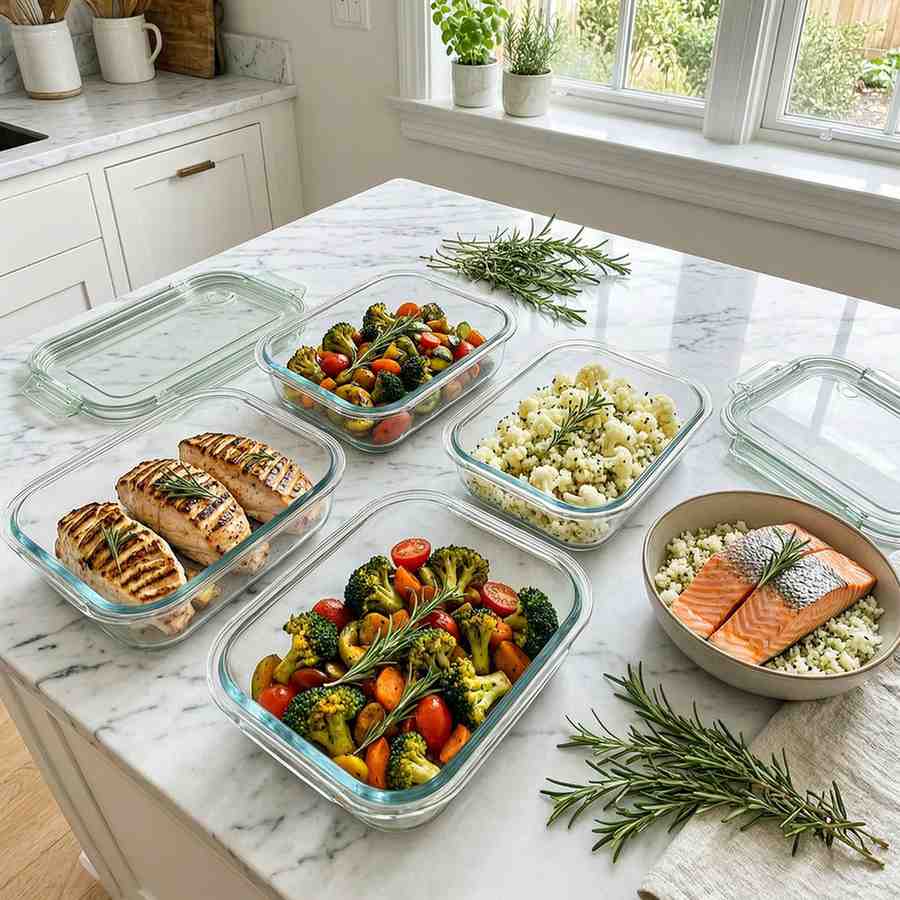
Here’s a full week of realistic, beginner-friendly dinners. No fancy ingredients, no impossible recipes.
| Day | Dinner | Notes |
|---|---|---|
| Monday | Grilled chicken thighs + roasted broccoli + avocado slices | Quick sheet pan meal |
| Tuesday | Ground beef taco bowl (no rice) with lettuce, cheese, salsa | 15-minute meal |
| Wednesday | Baked salmon + asparagus + lemon butter sauce | One pan, easy cleanup |
| Thursday | Shrimp stir-fry with zucchini noodles and garlic | Fast and flavorful |
| Friday | Lettuce wrap burgers with cheese, tomato, mustard | Fun Friday treat |
| Saturday | Ribeye steak + sautéed mushrooms + spinach | Weekend splurge |
| Sunday | Chicken and vegetable soup (low-carb, no noodles) | Batch cook for leftovers |
Bonus tip: Cook double portions on Wednesday and Sunday so you have easy lunches ready for Thursday and Monday.
Common Low-Carb Mistakes {#common-mistakes}
People often start strong and then hit a wall — usually because of these common pitfalls:
1. Not Eating Enough Fiber
When you cut grains, your fiber intake can drop. Fix this by loading up on leafy greens, broccoli, cauliflower, and avocado. Fiber keeps your digestion healthy and helps you feel full.
2. Not Eating Enough Protein
Some people undereat protein and wonder why they’re hungry all the time. Aim for a palm-sized portion of protein at every dinner — chicken, fish, beef, eggs, or turkey.
3. Over-Relying on Processed “Keto” Products
Keto cookies, keto bars, keto chips — these are convenience foods, not health foods. Many are high in calories and don’t deliver real nutrition. Whole foods first, always.
4. Skipping Vegetables
Low-carb doesn’t mean no vegetables. Non-starchy vegetables are crucial for fiber, vitamins, minerals, and actually enjoying your meals. Fill half your plate with them.
5. Setting Unrealistic Expectations
Weight loss isn’t linear. Some weeks the scale doesn’t move. Some weeks you lose three pounds. Consistency over perfection is the mindset that gets long-term results.
6. Not Drinking Enough Water
Low-carb diets have a mild diuretic effect — your body flushes more water, especially in the first few weeks. Drinking 8–10 glasses a day helps prevent headaches, fatigue, and the dreaded “keto flu.”
FAQ {#faq}
What foods have zero carbs?
Pure proteins like plain chicken, turkey, beef, pork, fish, shrimp, and eggs have essentially zero carbs. Most cheeses are also very low (under 1g per serving). Oils, butter, and most pure fats have zero carbs as well.
Is peanut butter low carb?
Peanut butter is moderate — roughly 6–8g of carbs per 2-tablespoon serving. Natural peanut butter (just peanuts and salt) is the better choice. It can fit into a low-carb diet in small portions. Almond butter is similar. Just don’t go overboard — it’s easy to eat a lot of it.
Are bananas low carb?
No. Bananas are one of the higher-carb fruits — a medium banana contains around 27g of carbs. On a strict low-carb diet, bananas are typically limited. Berries (strawberries, blueberries, raspberries) are much lower-carb fruit options.
Is popcorn allowed on low carb?
Popcorn has about 6g of carbs per cup, which is moderate. A small portion can fit into some low-carb approaches, but it’s not a “free” food. If you’re strict keto, it’s usually avoided. If you’re just cutting carbs generally, a small bowl occasionally is fine.
Can low carb help belly fat?
Research does suggest that low-carb diets can be particularly effective at reducing visceral fat — the deep abdominal fat that wraps around organs. Lowering insulin levels through reduced carb intake encourages the body to burn stored fat, including belly fat. But no single food or diet targets one specific area — overall fat loss is what reduces belly fat.
What fast food can I eat on low carb?
Better than you think! Most fast-food chains can accommodate low-carb eating:
- Burgers without the bun (order any burger “protein style” or “lettuce wrapped” at many chains)
- Grilled chicken salads (watch the dressing — ranch and Caesar are usually fine)
- Chipotle-style bowls without rice or beans
- Egg-based breakfast items at McDonald’s, Burger King, etc.
- Subway salads (the sandwich fillings over a salad base)
Final Thoughts {#final-thoughts}
Here’s what I want you to remember: low-carb eating is not about restriction. It’s about redirection.
You’re not giving up satisfaction — you’re finding it in different places. A perfectly grilled piece of salmon with roasted asparagus and garlic butter isn’t a consolation prize. It’s actually amazing food. A lettuce wrap burger loaded with avocado and cheese? That’s a meal worth looking forward to.
The transition takes a little time. Your taste buds are used to certain things, and it takes a few weeks for your body and palate to adjust. That’s completely normal. Be patient with yourself.
Start simple. Pick two or three dinners from this guide and try them this week. See how you feel. You might be surprised at how full and energized you feel without the carb crash that usually follows a heavy pasta dinner.
Consistency wins, not perfection. One slip-up doesn’t erase your progress. Every low-carb dinner is a step in the right direction.
You’ve got this.
Looking for more easy low-carb recipes and healthy dinner inspiration? Explore more beginner-friendly meal ideas on Best Carb Recipes — your go-to resource for satisfying, real-food low-carb cooking.

Food lover and creator of BestCarbRecipes, sharing easy recipes, low-carb meal ideas, healthy cooking inspiration, calorie-friendly tips, and practical food guides to make everyday eating simpler, healthier, and more delicious.