Best High-Protein Breakfast Ideas
Best High-Protein Breakfast Ideas
Introduction
You eat breakfast, feel fine for an hour — and then suddenly you’re starving again before lunch even arrives. Sound familiar?
It happens to almost everyone. And most of the time, the culprit is a low-protein breakfast that doesn’t give your body what it really needs to stay satisfied and energized.
Want to feel full longer and build muscle? The answer starts with what’s on your plate in the morning.
Protein is the most filling macronutrient out there. It slows digestion, stabilizes blood sugar, and helps your body repair and build lean muscle tissue. When you start your day with the best high-protein breakfast ideas, you’re setting yourself up for fewer cravings, more energy, and better results — whether your goal is fat loss, muscle gain, or simply feeling your best.
In this guide, you’ll find everything you need: why protein at breakfast matters, how much you need, the top protein-packed foods, 15 delicious breakfast ideas, and practical tips for busy mornings.
Let’s get into it.
Why Protein Is Important at Breakfast
Most people think breakfast just means “not skipping the first meal.” But what you eat matters just as much as whether you eat.
How Protein Helps You Stay Full
Protein triggers the release of satiety hormones like PYY and GLP-1, which signal to your brain that you’re full. At the same time, it suppresses ghrelin — the hunger hormone that makes your stomach growl between meals.
A carb-heavy breakfast like cereal or toast spikes blood sugar fast, then causes a crash that leaves you tired and hungry. A protein-rich breakfast? It keeps energy levels steady and hunger in check for hours.
Protein and Muscle Growth
If you work out — even just a few times a week — your muscles need protein to recover and grow. The post-sleep window in the morning is actually a great time to deliver amino acids to those muscles.
Getting 25–40g of protein at breakfast jumpstarts muscle protein synthesis, helping you build and maintain lean mass more effectively.
Benefits for Weight Loss and Energy
High-protein breakfasts have been directly linked to reduced calorie intake throughout the day. When you’re not hungry by 10am, you’re far less likely to reach for a muffin or snack pack.
Protein also has a higher thermic effect than carbs or fats — meaning your body burns more calories just digesting it. It’s a small bonus, but it adds up over time.
How Much Protein Should Breakfast Have?
A good target for most adults is 25–40 grams of protein at breakfast. Here’s a rough breakdown:
- Beginners or lighter activity levels: 20–25g
- Regular gym-goers or active adults: 30–40g
- Athletes or those focused on muscle gain: 35–50g
That said, protein doesn’t work in isolation. A balanced breakfast still needs:
- Complex carbs for sustained energy (oats, whole grain bread, fruit)
- Healthy fats for brain function and hormone health (avocado, nuts, olive oil)
- Fiber to support digestion and fullness (vegetables, seeds, berries)
Timing also matters. Eating protein within an hour or two of waking up (and especially within 30–60 minutes after a morning workout) helps maximize muscle recovery and energy levels throughout the day.
Best Foods for a High-Protein Breakfast
Before diving into full recipes, here are the top protein-rich ingredients to stock in your kitchen.
Eggs
The gold standard of breakfast protein. One large egg contains about 6–7g of protein, and they’re incredibly versatile. Scrambled, poached, boiled, baked — eggs work in almost every breakfast format.
Greek Yogurt
Plain Greek yogurt packs around 15–20g of protein per cup and is loaded with probiotics for gut health. Go for full-fat or low-fat versions over flavored ones to avoid added sugars.
Cottage Cheese
Often overlooked, cottage cheese delivers 25g of protein per cup and has a mild, creamy flavor that pairs well with both sweet and savory toppings.
Oats with Protein
Oats alone have about 5g of protein per serving, but when you mix in protein powder, nut butter, or Greek yogurt, that number shoots up dramatically. They’re also incredibly filling thanks to their fiber content.
Protein Smoothies
A well-made smoothie with protein powder, Greek yogurt, or nut butter can hit 30–40g of protein in minutes. Great for busy mornings when you need something fast.
Turkey and Lean Meats
Turkey bacon and lean chicken or turkey sausage are solid high-protein additions to breakfast that keep saturated fat lower than traditional pork products.
Nuts and Seeds
Almonds, chia seeds, hemp seeds, and peanut butter add protein alongside healthy fats and fiber. They’re perfect for topping oatmeal, smoothies, or yogurt bowls.
15 Best High-Protein Breakfast Ideas
Here are 15 delicious and practical ideas — each with estimated protein content, prep time, and why they keep you full.
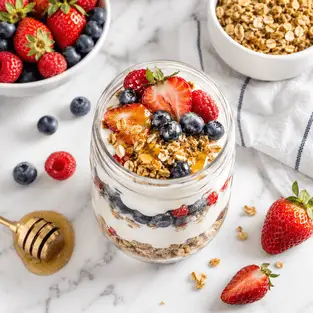
1. Greek Yogurt Parfait Layer plain Greek yogurt with mixed berries and a sprinkle of granola.
- Protein: ~20–25g
- Prep time: 5 minutes
- Why it fills you: The combo of protein, fiber from berries, and slow-digesting granola keeps hunger away for hours.
2. Egg and Avocado Toast Two poached or fried eggs on whole grain toast with sliced avocado and a pinch of chili flakes.
- Protein: ~18–22g
- Prep time: 10 minutes
- Why it fills you: Protein from eggs + healthy fats from avocado = long-lasting satiety.
3. Cottage Cheese Bowl Top cottage cheese with diced cucumber, cherry tomatoes, and a drizzle of olive oil. Or go sweet with peaches and honey.
- Protein: ~25–28g
- Prep time: 5 minutes
- Why it fills you: Cottage cheese is slow-digesting casein protein — it literally takes hours to break down.
4. Protein Oatmeal Cook oats, stir in a scoop of vanilla protein powder, and top with almond butter and banana slices.
- Protein: ~30–35g
- Prep time: 10 minutes
- Why it fills you: Oats’ beta-glucan fiber + protein powder makes this one of the most filling breakfasts you can eat.
5. High-Protein Pancakes Blend banana, eggs, oats, and protein powder into a batter. Cook on a non-stick pan.
- Protein: ~25–30g (per 4–5 pancakes)
- Prep time: 15 minutes
- Why it fills you: Whole food ingredients make these more satisfying than regular pancakes without the crash.
6. Turkey Breakfast Wrap Fill a whole wheat tortilla with scrambled eggs, turkey slices, spinach, and salsa.
- Protein: ~28–35g
- Prep time: 10 minutes
- Why it fills you: Packed with protein and fiber, and easy to take on the go.
7. Egg Muffins Whisk eggs with diced veggies, cheese, and turkey. Pour into a muffin tin and bake at 375°F for 20 minutes.
- Protein: ~15–20g (per 3 muffins)
- Prep time: 25 minutes (batch cook Sunday!)
- Why it fills you: Ready-to-grab, portion-controlled, and full of protein and veggies.
8. Chia Protein Pudding Mix chia seeds, protein powder, almond milk, and a little vanilla. Refrigerate overnight.
- Protein: ~20–25g
- Prep time: 5 minutes (overnight set)
- Why it fills you: Chia seeds expand in liquid, creating a thick, gel-like texture that’s very filling.
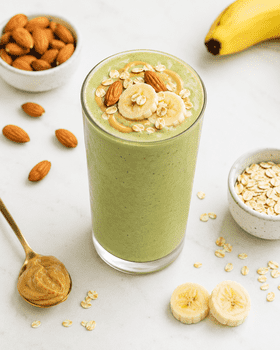
9. Peanut Butter Banana Smoothie Blend frozen banana, peanut butter, Greek yogurt, protein powder, and oat milk.
- Protein: ~35–40g
- Prep time: 5 minutes
- Why it fills you: Healthy fats, protein, and natural carbs make this a complete meal in a glass.
10. Smoked Salmon Toast Top whole grain toast with cream cheese, smoked salmon, capers, and red onion.
- Protein: ~22–28g
- Prep time: 5 minutes
- Why it fills you: Salmon is rich in omega-3s and protein — a powerful combo for satiety and brain function.
11. Tofu Scramble Crumble firm tofu in a pan with turmeric, garlic, spinach, and nutritional yeast. A great plant-based option.
- Protein: ~20–25g
- Prep time: 10 minutes
- Why it fills you: Nutritional yeast adds extra protein and a cheesy flavor without dairy.
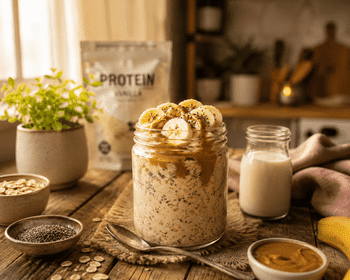
12. Protein Overnight Oats Combine oats, protein powder, Greek yogurt, chia seeds, and almond milk in a jar. Refrigerate overnight.
- Protein: ~30–35g
- Prep time: 5 minutes (overnight set)
- Why it fills you: You’re stacking three high-protein ingredients in one jar.
13. Breakfast Burrito Scramble eggs with black beans, diced peppers, onion, and low-fat cheese. Wrap in a whole wheat tortilla.
- Protein: ~28–35g
- Prep time: 15 minutes
- Why it fills you: Beans add extra fiber and plant-based protein that complements the eggs perfectly.
14. Chicken Breakfast Bowl Reheat leftover grilled chicken with quinoa, steamed broccoli, and a fried egg on top.
- Protein: ~40–50g
- Prep time: 10 minutes (with pre-cooked chicken)
- Why it fills you: This is a powerhouse bowl — the highest protein option on this list.
15. Hard-Boiled Eggs with Fruit Prep 3–4 hard-boiled eggs in advance. Grab with a piece of fruit and a handful of almonds.
- Protein: ~20–25g
- Prep time: 2 minutes (if pre-cooked)
- Why it fills you: Simple, clean, and perfectly portable. Great for when you’re truly rushed.
Quick High-Protein Breakfasts for Busy Mornings
Life gets hectic. Here’s how to make sure high protein meals for busy mornings stay realistic.
Fastest grab-and-go options:
- Hard-boiled eggs + almonds + banana
- Greek yogurt cup + protein bar (whole food based)
- Protein overnight oats (made Sunday night)
- Peanut butter protein smoothie (2 minutes in a blender)
Meal prep tips that actually work:
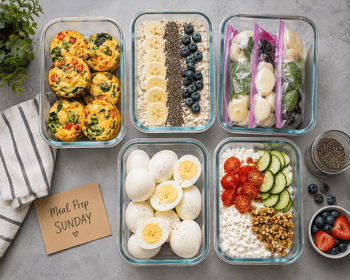
- Batch-cook egg muffins every Sunday — they last 5 days in the fridge.
- Make a big jar of overnight oats the night before.
- Boil a full dozen eggs at the start of the week.
- Pre-portion smoothie ingredients in freezer bags — just blend and go.
The secret to eating well on busy mornings is preparing when you’re not busy. Ten minutes on Sunday saves you all week.
High-Protein Breakfasts for Weight Loss
If fat loss is your goal, breakfast protein is one of your best tools.
Here’s why it works so well:
- Curbs cravings: High-protein breakfasts reduce mid-morning snacking by keeping ghrelin (the hunger hormone) lower for longer.
- Controls calories naturally: When you’re full, you eat less — without counting every calorie.
- Supports metabolism: Protein has a higher thermic effect, meaning your body burns more calories digesting it compared to carbs or fats.
- Preserves muscle: When losing weight, getting enough protein prevents muscle loss, which keeps your metabolism running efficiently.
The best protein breakfast for weight loss combines lean protein + fiber + moderate healthy fat — like a Greek yogurt parfait with berries, or eggs with sautéed veggies on whole grain toast.
Avoid high-protein breakfasts that are also loaded with refined carbs or heavy sauces. The protein is doing great work; don’t undermine it.
Common Mistakes People Make with Protein Breakfasts
Even with good intentions, it’s easy to go wrong. Watch out for these pitfalls:
1. Relying on sugary cereals labeled as “protein” Many cereals add a few grams of protein but are still loaded with sugar. Check the label — aim for at least 20g of protein per meal.
2. Forgetting fiber Protein alone won’t keep you full if there’s no fiber in the mix. Add vegetables, fruit, or whole grains to every breakfast.
3. Overdoing processed protein bars Most protein bars are essentially glorified candy. Save them for emergencies and build your breakfast around whole foods.
4. Skipping healthy fats Fat slows gastric emptying, helping you feel satisfied longer. Don’t fear avocado, nut butters, or eggs — they’re your friends.
5. Not drinking enough water Protein metabolism requires water. If you’re eating more protein, make sure you’re also hydrating well in the morning.
Meal Prep Tips for Easy High-Protein Breakfasts
The biggest barrier to eating well is time. Meal prep solves that.
Sunday Meal Prep Ideas
- Bake a batch of egg muffins (12 at a time)
- Cook a big pot of oats and portion into containers
- Boil a dozen eggs
- Grill chicken thighs for breakfast bowls
- Mix up 3–4 jars of overnight oats or chia pudding
Freezer-Friendly Breakfasts
- High-protein pancakes freeze beautifully — make a double batch and freeze in stacks
- Breakfast burritos wrapped in foil can be frozen for up to 3 months
- Smoothie packs (pre-portioned frozen fruit + extras) — just add liquid and blend
Smart Grocery Shopping Tips
Keep these staples stocked and you’ll always have a quick high protein breakfast option:
- Eggs (always)
- Plain Greek yogurt
- Cottage cheese
- Protein powder (whey or plant-based)
- Nut butters
- Oats
- Canned beans
- Frozen berries and bananas
- Whole grain bread and tortillas
- Smoked salmon or deli turkey
FAQs
What is the best high-protein breakfast? There’s no single “best” — it depends on your preferences and goals. But some top contenders include Greek yogurt parfait, protein overnight oats, egg muffins, and the peanut butter banana smoothie. Aim for 25–40g of protein per meal and choose whole foods over processed options.
How much protein should I eat in the morning? Most adults benefit from 25–40g of protein at breakfast. If you’re highly active or focused on building muscle, aim for the higher end. If you’re just starting out, 20–25g is a great first goal.
Are high-protein breakfasts good for weight loss? Yes — research consistently shows that high-protein breakfasts reduce hunger hormones, decrease calorie intake throughout the day, and support fat loss while preserving lean muscle. They’re one of the most effective nutritional strategies for sustainable weight management.
What breakfast keeps you full the longest? Protein overnight oats, cottage cheese bowls, and egg-based meals consistently rank as the most filling breakfasts. The combination of protein + fiber + healthy fat is the winning formula for long-lasting satiety.
Can I make high-protein breakfasts ahead of time? Absolutely. Overnight oats, chia pudding, egg muffins, breakfast burritos, and hard-boiled eggs are all excellent meal-prep options. Most can be made in large batches and stored for 4–5 days in the fridge.
Final Thoughts
You don’t need a complicated diet plan or expensive supplements to start your day right.
The best high-protein breakfast ideas are simpler than you think — eggs, Greek yogurt, oats, cottage cheese, and a handful of other whole foods can get you to 30+ grams of protein every morning without much effort.
Start small. Swap your sugary cereal for a Greek yogurt parfait this week. Try overnight oats the next. Add a second egg to your toast. These small upgrades compound over time into a genuinely healthier lifestyle.
Protein in the morning isn’t just a fitness trend — it’s one of the most practical, research-backed habits you can build. Your energy, hunger levels, and body composition will all thank you.
Now go make breakfast worth looking forward to.

Food lover and creator of BestCarbRecipes, sharing easy recipes, low-carb meal ideas, healthy cooking inspiration, calorie-friendly tips, and practical food guides to make everyday eating simpler, healthier, and more delicious.