How to Drop Weight Quickly (Without Losing Your Mind in the Process)
How to Drop Weight Quickly (Without Losing Your Mind in the Process)

How to Drop Weight Quickly (Without Losing Your Mind in the Process)
Let’s be honest. You’ve probably Googled “how to lose weight fast” more times than you care to admit. You’ve scrolled through meal plans that look beautiful on Pinterest but terrifying in real life. You’ve bought the supplements, tried the 7-day detox, maybe even ordered the meal kit that sat in your fridge until it felt guilty watching you eat cereal for dinner.
Sound familiar? You’re not alone — and more importantly, you’re not failing. The weight loss world is genuinely confusing. One week it’s keto, the next it’s intermittent fasting. Every other article tells you something different about carbs, belly fat, and whether bananas are “allowed.”
Here’s the truth: most quick-fix approaches either don’t work long-term or leave you so miserable that you abandon ship within two weeks. But that doesn’t mean you’re stuck. There are real, evidence-backed ways to speed up fat loss — without giving up food you enjoy or spending hours at the gym.
This guide is here to cut through the noise. We’re covering the best foods, drinks, metabolism hacks, and daily habits that actually move the needle. No gimmicks. No detox tea endorsements. Just realistic, beginner-friendly advice that treats you like an intelligent adult.
Ready? Let’s get into it.
How to Drop Weight Quickly: The Honest, Science-Backed Guide for 2026
Why Fast Weight Loss Usually Fails

Here’s a scenario that plays out constantly: Someone decides to lose weight, cuts their calories dramatically, loses 6 pounds in a week, feels amazing — then stalls completely, gets frustrated, and quits by week three.
That first rush of weight loss? Almost always water and glycogen (stored carbohydrates), not actual body fat. It’s real weight leaving your body, sure — but it’s not the fat loss you’re imagining.
The problem with crash dieting is that it triggers your body’s survival instincts. When you eat far too little, your metabolism slows down to conserve energy. You feel exhausted, irritable, and obsessively hungry. Willpower can only take you so far when your body is literally fighting against you.
There’s also the expectation problem. Diet culture has sold us this idea that dramatic results happen fast. But sustainable fat loss — actual body fat, not just scale fluctuations — typically happens at about 0.5 to 2 pounds per week for most people. That’s normal. That’s healthy. And that adds up to 20–50 lbs over six months.
The people who keep the weight off long-term aren’t the ones who went hardest — they’re the ones who found an approach consistent enough to stick with. That’s the whole game.
What Actually Helps You Drop Weight Faster
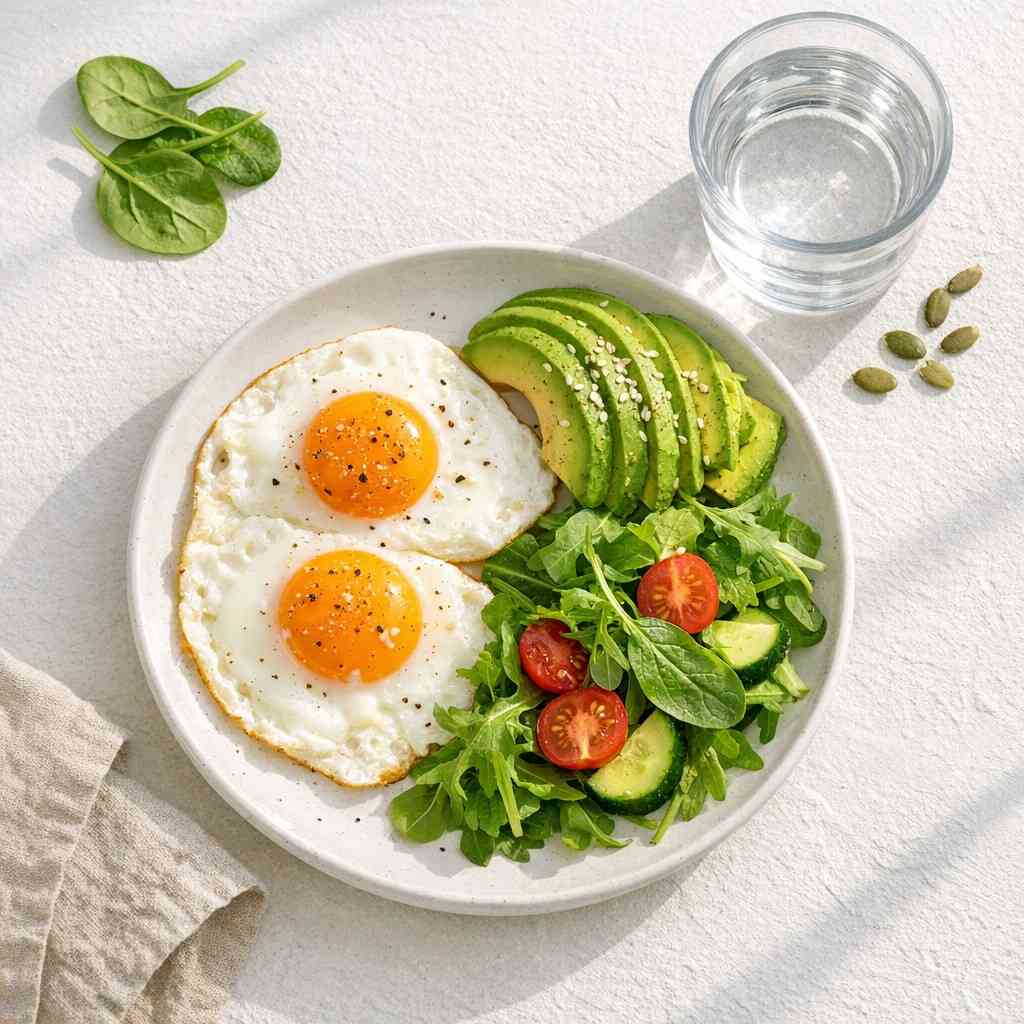
So if crash dieting doesn’t work, what does? Let’s break down the fundamentals that genuinely drive fat loss.
Calorie Deficit (Without Going to Extremes)
Weight loss, at its core, requires burning more calories than you consume. A moderate deficit of 300–500 calories per day is enough to lose weight without tanking your energy or triggering metabolic slowdown.
You don’t need to count every calorie obsessively — but being aware of roughly how much you’re eating helps. The biggest culprits are usually liquid calories (sodas, juices, fancy coffees), large portion sizes, and ultra-processed snacks.
Prioritize Protein
Protein is genuinely one of the most powerful tools for fat loss. It keeps you full, preserves muscle while you’re in a deficit, and actually burns more calories to digest than carbs or fat — a phenomenon called the thermic effect of food.
Aim for a palm-sized serving of protein at every meal: eggs, chicken, fish, Greek yogurt, legumes, cottage cheese.
Move Your Body — In Any Way
You don’t need a gym membership. Walking 7,000–10,000 steps a day has a remarkable impact on fat loss and metabolic health. Add strength training two or three times per week, and you’re ahead of most people.
Sleep More Than You Think You Need
Poor sleep is one of the most underrated weight gain triggers. When you’re sleep-deprived, hunger hormones (ghrelin) spike and fullness hormones (leptin) drop. You end up craving high-calorie, high-sugar foods and making impulsive food choices all day. Seven to nine hours of quality sleep is non-negotiable.
Hydration and Consistency
Both underappreciated. Both essential. We’ll go deep on hydration in a moment, but consistency is worth naming now: doing the basics right 80% of the time beats any perfect two-week plan.
Which Drink Reduces Belly Fat?
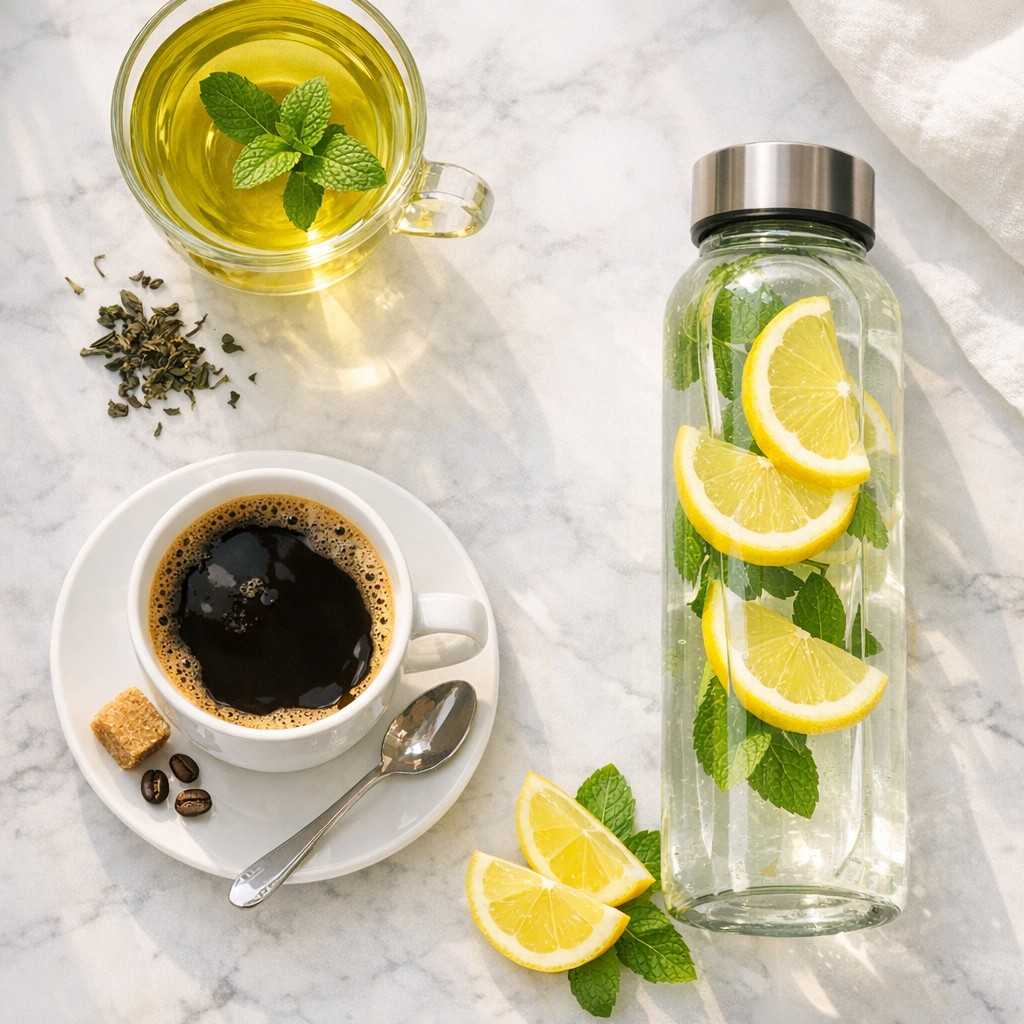
This is one of the most-searched questions in the health space — and the answer isn’t a magic potion. But some drinks genuinely support fat loss better than others.
Water — The OG Fat-Loss Drink
We’ll cover this more in a dedicated section, but water genuinely helps. It boosts metabolism temporarily, suppresses appetite, and replaces sugary drinks. Cold water may even cause a small calorie burn as your body warms it.
Green Tea
Green tea contains catechins — antioxidants that have been shown to modestly boost fat oxidation, especially during exercise. It also provides a gentle caffeine kick without the jitteriness of coffee. 2–3 cups per day is the sweet spot.
Black Coffee
Black coffee is a well-researched metabolism booster. Caffeine stimulates the nervous system and increases the rate at which your body burns fat. Keep it black or with a small splash of milk — adding sugar and syrups cancels out the benefits quickly.
Apple Cider Vinegar Drinks
A diluted drink (1–2 tablespoons of ACV in a large glass of water) before meals has shown some evidence of reducing appetite and blood sugar spikes. It’s not a miracle worker, but it can be a helpful habit for some people. Never drink it undiluted — it can damage tooth enamel.
Protein Smoothies
A well-made protein smoothie (protein powder or Greek yogurt, greens, berries, no added sugar) makes an excellent meal replacement for people on the go. It keeps you full, hits your protein targets, and tastes good. Far better than skipping a meal and ending up ravenous by 3 PM.
What to Avoid
Sugary drinks are silently sabotaging fat loss for millions of people. Sodas, fruit juices, energy drinks, flavored coffee beverages — they add hundreds of calories with zero satiety. Cutting them is often one of the fastest ways to start losing weight.
What Burns Fat Extremely Fast?

People hear “fat burning” and think of intense cardio sessions and sweating through their shirt. But the most effective fat-burning strategies are often less dramatic than you’d expect.
Strength Training
Building muscle is one of the best long-term investments in fat loss. Muscle tissue burns more calories at rest than fat tissue. Two to three sessions per week of resistance training — even bodyweight exercises at home — raises your resting metabolism and reshapes your body composition.
Walking
Humble, simple, and genuinely effective. A brisk 30–60 minute walk daily burns meaningful calories, lowers cortisol (a fat-storage hormone), and is easy to sustain long-term. Walking after meals also helps regulate blood sugar, which reduces cravings.
High-Protein Meals
As mentioned earlier, protein has a high thermic effect. Your body burns roughly 20–30% of protein calories just digesting them. A high-protein diet naturally increases your calorie burn without any extra effort.
Quality Sleep
Yes, sleep again — because it’s that important. Poor sleep elevates cortisol, which promotes belly fat storage specifically. Prioritize sleep if you want to burn fat effectively.
Reducing Ultra-Processed Foods
Ultra-processed foods (chips, cookies, fast food, packaged snacks) are engineered to make you overeat. They’re calorie-dense, low in protein and fiber, and barely register in your fullness signals. Replacing them with whole foods is one of the most impactful changes you can make.
What Foods Boost Weight Loss?
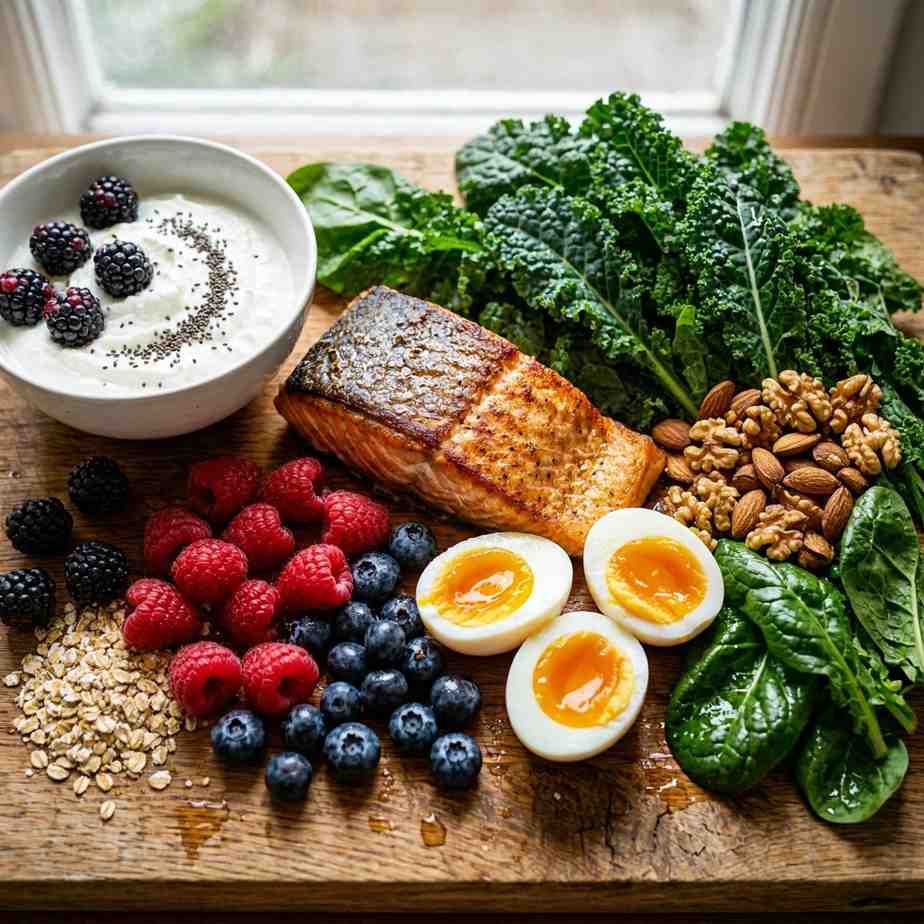
The best foods for weight loss share a few key traits: they’re filling, high in protein or fiber (or both), and low in empty calories. Here’s what to load your plate with:
- Eggs — One of the most filling breakfast options available. High in protein, rich in nutrients, and remarkably affordable.
- Greek yogurt — Packed with protein and probiotics. Choose plain, full-fat versions and add your own fruit.
- Oats — A slow-digesting carbohydrate that keeps blood sugar stable and hunger at bay for hours.
- Leafy greens (spinach, kale, arugula) — Low calorie, high volume, and loaded with micronutrients.
- Salmon — Excellent source of protein and omega-3 fatty acids. Omega-3s have been linked to reduced inflammation and improved fat metabolism.
- Berries — High in fiber and antioxidants, low in sugar. Perfect as a snack or breakfast topping.
- Beans and lentils — Underrated weight loss powerhouses. High in fiber and plant-based protein that keeps you full for a long time.
- Chia seeds — Expand in your stomach and absorb liquid, creating a feeling of fullness from just a small amount.
- Potatoes (boiled or baked) — Surprisingly, plain potatoes rank among the most filling foods tested. It’s what you do to them (butter, sour cream, frying) that makes them problematic.
- Nuts (in moderation) — Calorie-dense but genuinely satisfying. A small handful of almonds or walnuts as a snack can prevent overeating later.
Does Drinking Water Help Weight Loss?

Short answer: yes, meaningfully so. Here’s why.
Appetite Control
Drinking water before meals has been shown to reduce calorie intake at that meal by 13–17% in several studies. It takes up space in your stomach and gives your brain a “pre-fullness” signal. Drinking a large glass 20–30 minutes before eating is a simple, free strategy worth trying.
Hydration and Metabolism
Even mild dehydration can slow metabolism by a few percentage points. Staying properly hydrated keeps metabolic processes running efficiently — including the fat oxidation that turns stored body fat into usable energy.
Replacing Caloric Drinks
One of the biggest wins from drinking more water is simply what you’re not drinking instead. Every soda or sweetened coffee you swap for water saves anywhere from 100–400 calories. Do that twice a day for a month and you’re looking at a real impact.
How Much Water Should You Drink?
A common guideline is 8 cups (about 2 liters) per day, but your actual needs depend on body size, activity level, and climate. A practical test: your urine should be pale yellow. Dark yellow means you need more water.
What Foods Reduce Belly Fat?
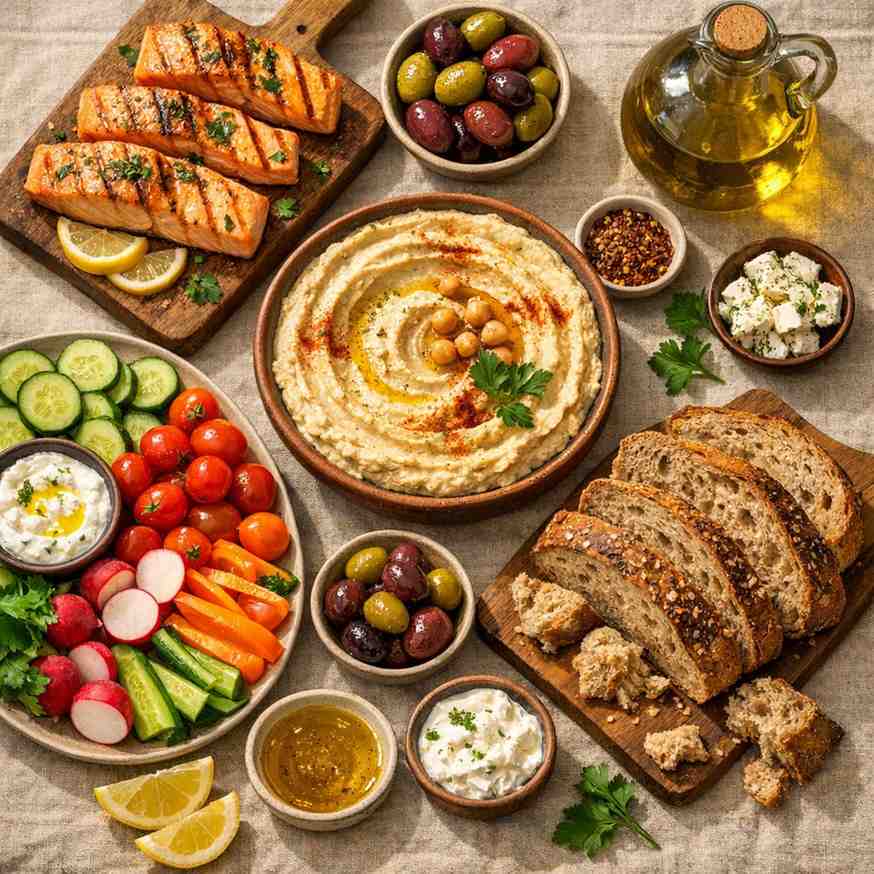
There’s no single food that “targets” belly fat — that’s not how physiology works. But certain foods reduce the inflammation and hormonal conditions that cause belly fat to accumulate.
Fiber-Rich Foods
Soluble fiber (found in oats, beans, flaxseeds, Brussels sprouts, and avocado) forms a gel-like substance in the gut that slows digestion, feeds beneficial gut bacteria, and dramatically reduces appetite. High fiber intake is consistently linked to lower visceral (belly) fat in research.
Protein-Rich Foods
Protein reduces levels of the hunger hormone ghrelin and raises levels of fullness hormones. It also specifically helps preserve lean muscle during weight loss, which keeps your metabolism from slowing down.
Anti-Inflammatory Foods
Chronic inflammation promotes belly fat storage. Foods that reduce inflammation include:
- Fatty fish (salmon, sardines, mackerel)
- Olive oil
- Leafy greens
- Berries
- Turmeric and ginger
- Green tea
Mediterranean-Style Eating
The Mediterranean diet consistently ranks among the most effective eating patterns for reducing belly fat and improving metabolic health. It emphasizes whole grains, vegetables, legumes, fish, olive oil, and moderate amounts of nuts and fruit — with very little processed food.
What Is the 3-3-3 Rule for Losing Weight?
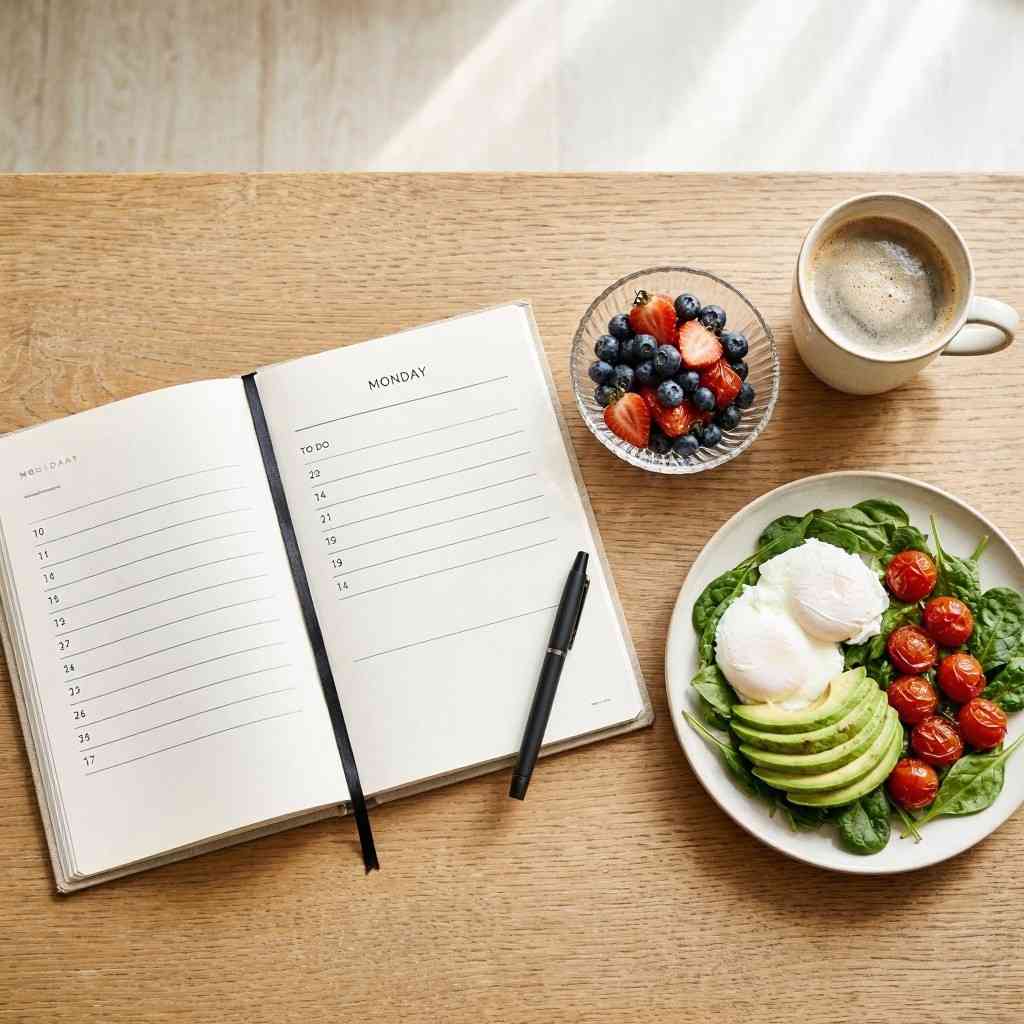
The 3-3-3 rule is a beginner-friendly framework that makes healthy weight loss feel manageable — not like punishment.
Here’s how it breaks down:
3 Balanced Meals Per Day
Rather than grazing, snacking constantly, or skipping meals, anchor your day around three proper, balanced meals. Each should contain protein, vegetables or fiber, and a modest amount of healthy carbohydrates. This stabilizes blood sugar, prevents energy crashes, and makes overeating less likely.
3 Movement Sessions or Walks Per Day
You don’t need to live at the gym. Three meaningful movement moments throughout the day — a morning walk, a post-lunch stroll, and a short evening workout — add up significantly. A 10-minute walk after each meal has been shown to help regulate blood sugar and improve digestion.
3 Healthy Habits Daily
Pick three non-negotiable daily habits and protect them. Examples:
- Drink 8 cups of water
- Eat a high-protein breakfast
- Go to bed before midnight
- Avoid screen time for 30 minutes before sleep
- Prepare your meals in advance
The 3-3-3 rule works because it’s structured without being rigid. It gives you a framework without turning healthy eating into a full-time job.
How to Speed Up Metabolism Naturally

Your metabolism isn’t fixed. While genetics play a role, there are meaningful ways to influence how efficiently your body burns calories.
Eat Enough Protein
Protein has the highest thermic effect of any macronutrient — your body burns more calories digesting it. High-protein diets also preserve muscle mass during weight loss, which protects your metabolic rate.
Build and Maintain Muscle
Muscle is metabolically active tissue. The more muscle you have, the more calories your body burns even at rest. Strength training 2–4 times per week is the most reliable way to increase resting metabolism over time.
Don’t Starve Yourself
Extreme caloric restriction triggers a survival response where your body lowers its metabolic rate to preserve energy. This is called metabolic adaptation, and it’s why extreme diets often stop working after a few weeks. A moderate deficit is far more effective long-term.
Prioritize Sleep
Sleep deprivation impairs thyroid function, raises cortisol, and disrupts hunger hormones — all of which slow metabolism. This is not optional.
Stay Hydrated
Cold water gives your metabolism a small temporary boost as your body works to warm it. More importantly, being well-hydrated keeps all metabolic processes running at their best.
Move Throughout the Day
Beyond formal workouts, non-exercise activity thermogenesis (NEAT) — fidgeting, standing, walking around — accounts for a surprisingly large portion of daily calorie burn. Breaking up long sitting periods with short walks makes a real difference.
What Are the Best Fruits for Weight Loss?
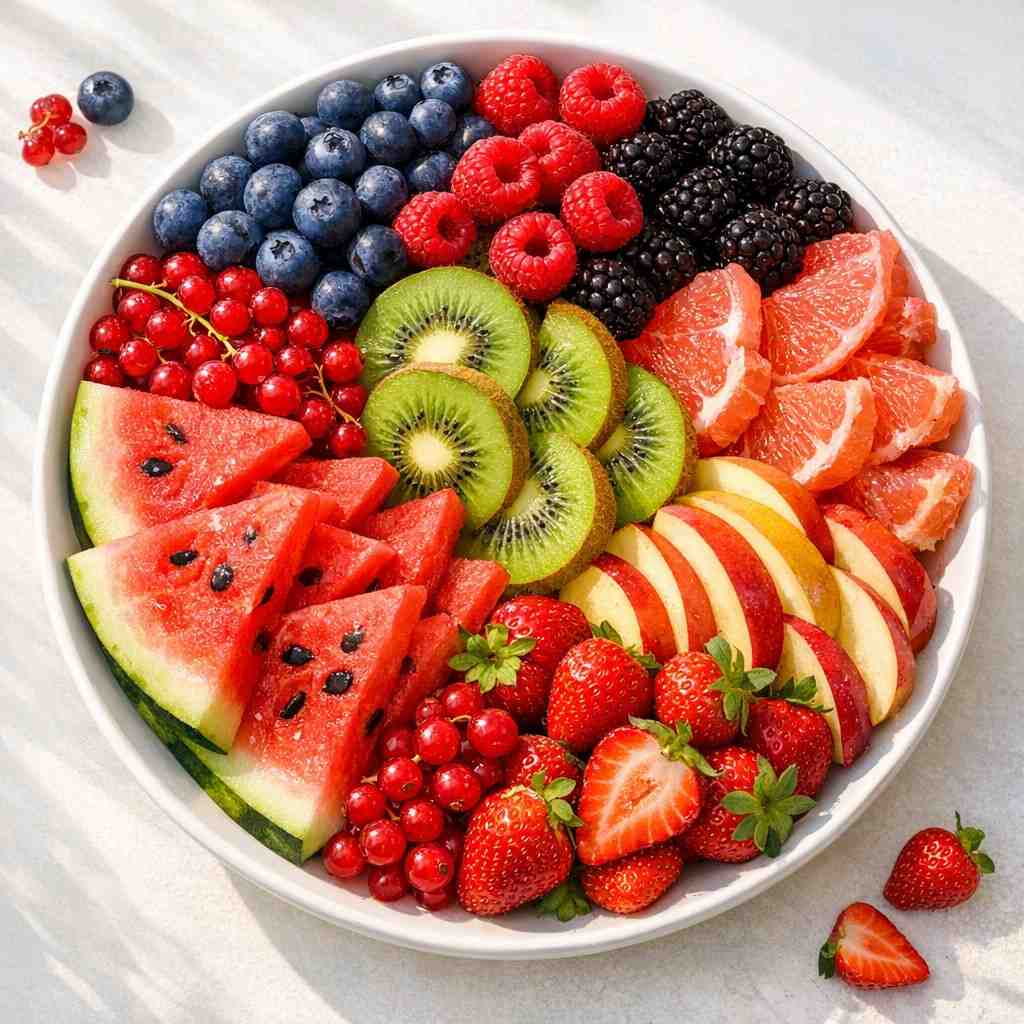
Fruit sometimes gets a bad reputation in weight loss circles because of its natural sugar content. But whole fruits are nothing like processed sugar — they come packaged with fiber, water, vitamins, and antioxidants that completely change how your body handles them.
Berries (Strawberries, Blueberries, Raspberries)
The gold standard for weight-loss fruits. Low in calories, extremely high in fiber, and packed with antioxidants. A cup of raspberries has 8 grams of fiber — more than many vegetables. Toss them on oats, Greek yogurt, or eat them as a snack.
Apples
“An apple a day” isn’t just a saying. Apples contain pectin, a type of soluble fiber that feeds healthy gut bacteria and promotes fullness. Eat them with the skin on, and pair with nut butter for a protein-fat combo that keeps hunger at bay for hours.
Grapefruit
Some research suggests grapefruit may help regulate insulin levels and reduce appetite, particularly when eaten before meals. Its slightly bitter flavor is an acquired taste, but half a grapefruit with breakfast is a classic weight-loss strategy.
Watermelon
Over 90% water, making it incredibly low in calories for its volume. Eating watermelon helps you feel full and hydrated simultaneously. Perfect as a summer snack or post-workout refresher.
Kiwi
Surprisingly fiber-dense and rich in vitamin C. Kiwis also support gut health, and a healthy gut microbiome is increasingly linked to healthy weight management. Eat two as a snack — they’re small but mighty.
Oranges
Like apples, oranges are best eaten whole (not juiced). The fiber slows sugar absorption and keeps you full. They’re also incredibly portable snacks that require zero prep.
Bananas (In Moderation)
Bananas get a lot of fear-mongering, but a medium banana is a totally reasonable food choice. They provide potassium, magnesium, and resistant starch (especially in slightly underripe ones) that feeds beneficial gut bacteria. One per day is fine for most people.
Easy Daily Habits That Help With Faster Weight Loss

Big transformations are built on small, consistent daily choices. Here are the habits worth adding to your routine:
- Walk after meals — Even a 10-minute walk after eating helps regulate blood sugar and prevents post-meal energy crashes.
- Eat protein at every meal — This single habit reduces overall calorie intake naturally, because protein keeps you fuller longer.
- Meal prep on weekends — When healthy food is already made, you default to it. When it’s not, you default to takeout or snacking.
- Sleep 7–9 hours — Non-negotiable for hormonal balance and appetite control.
- Drink water first — Start your morning with a large glass of water before coffee. Drink one before each meal.
- Reduce liquid calories — Swap one sugary drink per day for water. That alone can save 50,000+ calories per year.
- Eat slowly — Put your fork down between bites. It takes 15–20 minutes for fullness signals to reach your brain.
- Plan your meals — Not obsessively, just enough that you know roughly what you’re eating each day. Winging it leads to impulsive choices.
Common Weight Loss Mistakes to Avoid

If your progress has stalled — or hasn’t started — one of these might be why:
- Skipping meals to save calories — This usually backfires, leading to intense hunger and overeating later. Breakfast-skippers often consume more calories by evening.
- Trusting detox teas and weight loss supplements — The vast majority are marketing dressed up as science. Some are actively harmful.
- Over-restricting calories — Eating too little triggers metabolic slowdown, muscle loss, and nutrient deficiencies. The goal is a moderate deficit, not starvation.
- Obsessing over the scale — Weight fluctuates by 1–4 pounds daily due to water retention, hormones, and digestion. Daily weigh-ins can distort your perception of actual progress. Weekly averages are far more informative.
- Cutting all carbs — Carbohydrates are not the enemy. Ultra-processed, low-fiber carbs are the issue. Whole grains, oats, sweet potatoes, and legumes are genuinely healthy.
- Exercising too much, too soon — Going from zero to intense daily workouts usually leads to injury or burnout within weeks. Start moderate and build consistently.
- Ignoring sleep and stress — High cortisol from chronic stress and poor sleep directly promotes belly fat storage. No diet fixes a stressed, sleep-deprived body.
Easy Fat-Burning Meal Ideas
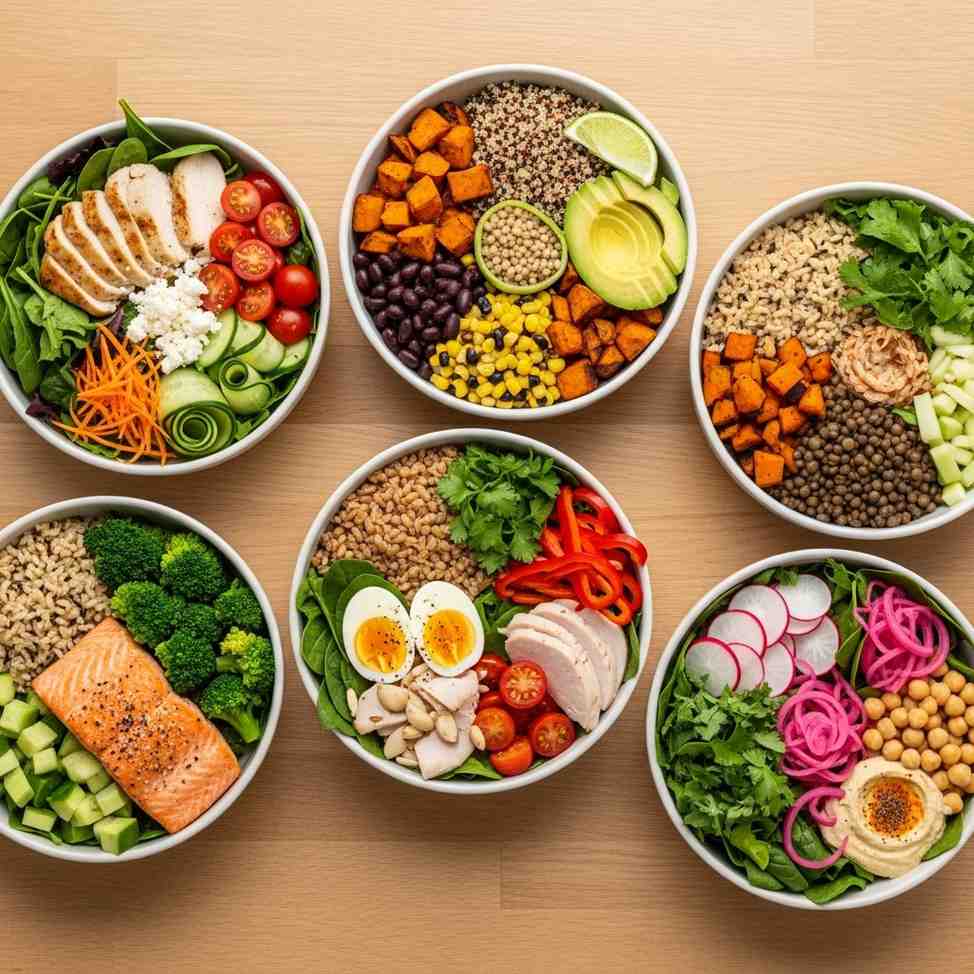
You don’t need a culinary degree to eat for fat loss. Here are 10 simple, satisfying meal ideas:
- Scrambled eggs with spinach and avocado on whole grain toast — High protein, healthy fat, fiber. Keeps you full until lunch.
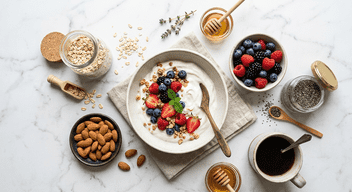
- Greek yogurt with blueberries, chia seeds, and a drizzle of honey — Great breakfast or snack. Under 300 calories and incredibly filling.
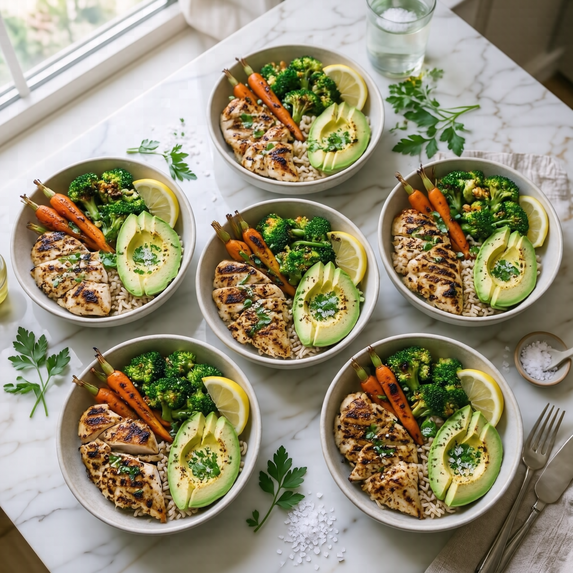
- Grilled salmon with roasted broccoli and quinoa — Omega-3s, protein, and fiber all in one bowl.
- Chicken and veggie stir-fry with brown rice — Quick to make, easy to customize, high in protein.
- Lentil soup with a side of whole grain bread — One of the most fiber-rich, filling meals you can make. Cheap too.
- Turkey lettuce wraps with avocado and salsa — Low-carb, high-protein, genuinely delicious.
- Overnight oats with apple slices, cinnamon, and a spoonful of almond butter — Prep the night before, grab in the morning.
- Tuna salad (in olive oil) with cucumber slices and whole grain crackers — Protein-packed lunch ready in 5 minutes.
- Veggie omelette with feta cheese — Versatile, fast, loaded with protein and micronutrients.
- Black bean and sweet potato bowl with lime, cilantro, and a dollop of Greek yogurt — Plant-based protein and fiber powerhouse.
FAQ
How can I lose weight quickly, naturally?
Focus on a moderate calorie deficit, eat high-protein whole foods, move daily (even just walking), prioritize sleep, and drink plenty of water. These unglamorous fundamentals outperform any fad diet.
What drink burns belly fat overnight?
No drink burns fat overnight — that’s marketing, not biology. However, a glass of water with diluted apple cider vinegar before bed may help regulate blood sugar. Green tea and water are your best general tools for supporting fat loss over time.
What foods keep you full the longest?
High-protein foods (eggs, Greek yogurt, chicken, fish), high-fiber foods (beans, lentils, oats, chia seeds), and foods high in water content (soups, vegetables, fruits) keep you full the longest. Combining protein and fiber in a meal is particularly powerful.
Is coffee good for weight loss?
Yes, in moderation. Black coffee is a mild appetite suppressant and metabolism booster. It also enhances fat burning during exercise. The key word is black — once you add sugar, syrups, and cream, you’re working against yourself.
How much water should I drink to lose weight?
Aim for at least 2 liters (8 cups) per day, more if you’re exercising or in a hot climate. A good practical rule: drink a large glass before every meal and keep a water bottle with you throughout the day.
What is the fastest healthy way to lose weight?
The fastest healthy approach combines: a moderate calorie deficit (300–500 cal/day), high protein intake, daily movement (especially walking and strength training), consistent quality sleep, and cutting out liquid calories and ultra-processed foods. Expect 1–2 lbs of real fat loss per week on this approach.
Final Thoughts
Here’s what I want you to walk away with: you don’t need to be perfect to lose weight. You need to be consistent.
The people who successfully drop weight and keep it off aren’t the ones who found the strictest diet or pushed themselves hardest for two weeks. They’re the ones who built sustainable routines they could actually live with — a protein-rich breakfast, daily walks, mostly whole foods, decent sleep.
There’s no finish line where you suddenly “get to stop” and go back to your old habits. But there is a version of healthy living that feels genuinely good — where you have more energy, fewer cravings, better sleep, and a body you feel comfortable in.
Start small if you need to. Swap one drink for water. Add eggs to your breakfast. Walk after dinner. These tiny things compound into real results over weeks and months.
You’ve got this — and you don’t have to turn your life upside down to prove it.
Looking for more realistic healthy recipes and simple fat-loss meals? Visit Best Carb Recipes for easy ideas that make healthy eating feel genuinely doable — no deprivation required.

Food lover and creator of BestCarbRecipes, sharing easy recipes, low-carb meal ideas, healthy cooking inspiration, calorie-friendly tips, and practical food guides to make everyday eating simpler, healthier, and more delicious.