How Can I Lose 20 Pounds in a Month Safely? The Honest, Realistic Guide You Actually Need
How Can I Lose 20 Pounds in a Month Safely? The Honest, Realistic Guide You Actually Need
Let’s be real for a second. You’ve probably scrolled through Instagram or TikTok and stumbled across a before-and-after photo that made your jaw drop — someone claiming they lost 20 pounds in a month by drinking some mystery tea or following a 5-day cleanse. And for a split second, even if you know better, a little voice whispers: What if that actually works?
You’re not alone. That voice is incredibly human.
We live in a world that constantly bombards us with overnight transformation stories, celebrity bodies, and “lose weight fast” promises. And when you’re standing in front of the mirror feeling frustrated, desperate for change, those promises are so tempting.
But here’s what that wellness influencer rarely tells you: sustainable weight loss is boring. It’s consistent. It’s built on habits, not hacks. And the good news? Those boring, consistent habits actually work — and they won’t wreck your metabolism, your relationship with food, or your mental health in the process.
This article is going to give you the honest, realistic picture of fast but safe weight loss. We’ll cover the foods that genuinely help, the drinks worth sipping, the meal ideas that don’t make you want to cry, and yes — we’ll even talk about what celebrities like Kelly Clarkson and Kim Kardashian have said about their own weight loss journeys. (Spoiler: it’s more complicated than it looks.)
Ready? Let’s do this together.

Is It Really Safe to Lose 20 Pounds in One Month?
Here’s the honest answer: for most people, losing 20 pounds of pure body fat in a single month isn’t realistic or healthy.
Medical experts and registered dietitians generally agree that a safe, sustainable rate of fat loss is 1–2 pounds per week — which works out to roughly 4–8 pounds per month. Losing weight faster than that often means you’re losing water weight, muscle mass, and precious energy along with fat — not quite the win it looks like on the scale.
That said, some people do see larger drops early on, especially in the first week or two. Here’s why:
Water weight vs. fat loss:
- When you reduce calories or carbs, your body burns through glycogen (stored carbohydrates) fast.
- Glycogen holds water — roughly 3 grams of water per gram of glycogen.
- This means you can drop 5–10 pounds of water weight in the first week alone — before any significant fat loss occurs.
It looks dramatic. It feels exciting. But it’s not the same as losing 10 pounds of fat.
A Simple Reality Check
| Goal | Is It Realistic? | Notes |
|---|---|---|
| Lose 5 lbs in a month | ✅ Very realistic | Healthy, sustainable |
| Lose 10 lbs in a month | ⚠️ Possible with effort | May include water weight |
| Lose 15–20 lbs in a month | ❌ Unlikely safely | Risk of muscle loss, fatigue |
The bottom line: You can make meaningful progress in a month — just not necessarily 20 pounds of fat. And chasing 20 pounds too aggressively can backfire badly: extreme restriction slows your metabolism, increases stress hormones, triggers binge eating, and often leads to gaining the weight back faster than you lost it.
Focus on building habits that work long-term while maximizing safe, early progress. That’s the real goal here.
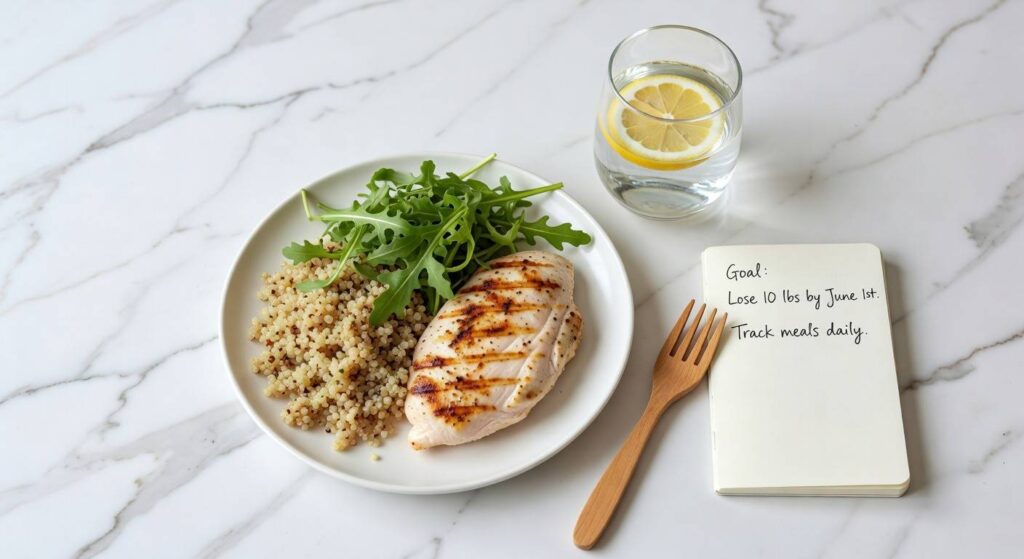
What Actually Helps You Lose Weight Faster Safely?
You don’t need a magic supplement or a brutal 1,000-calorie diet. What actually moves the needle is a combination of straightforward, science-supported habits — done consistently.
Here’s what genuinely works:
| Habit | Why It Helps | Beginner Tip |
|---|---|---|
| Calorie deficit | You lose weight when you burn more than you eat | Aim for 500 cal/day deficit — no more |
| High protein intake | Keeps you full, preserves muscle | Add protein to every meal (eggs, chicken, Greek yogurt) |
| Daily walking | Burns calories, reduces stress, no gym required | Start with 20–30 min walks after meals |
| Strength training | Builds muscle, boosts resting metabolism | Try bodyweight squats, push-ups 3x/week |
| Quality sleep | Poor sleep spikes hunger hormones (ghrelin) | Aim for 7–9 hours; cut screens before bed |
| Hydration | Water reduces appetite and boosts metabolism slightly | Drink 500ml before meals |
| Stress management | Cortisol promotes fat storage, especially belly fat | Try 5 minutes of deep breathing daily |
| Consistency | Small habits compound dramatically over weeks | Pick 2–3 habits and do them every day |
The magic isn’t in any single item on that list. It’s in stacking several of them together and showing up repeatedly, even on the days you really don’t feel like it.
What Is the #1 Food for Weight Loss?
If there’s one category of food that consistently tops the research for weight loss, it’s protein.
High-protein foods are the MVPs of fat loss for several reasons:
- They keep you full longer — protein triggers satiety hormones more powerfully than carbs or fat.
- They preserve muscle — crucial when you’re in a calorie deficit.
- They boost calorie burn — digesting protein burns more calories than digesting other macros (the “thermic effect of food”).
So what are the best protein-rich foods for weight loss?
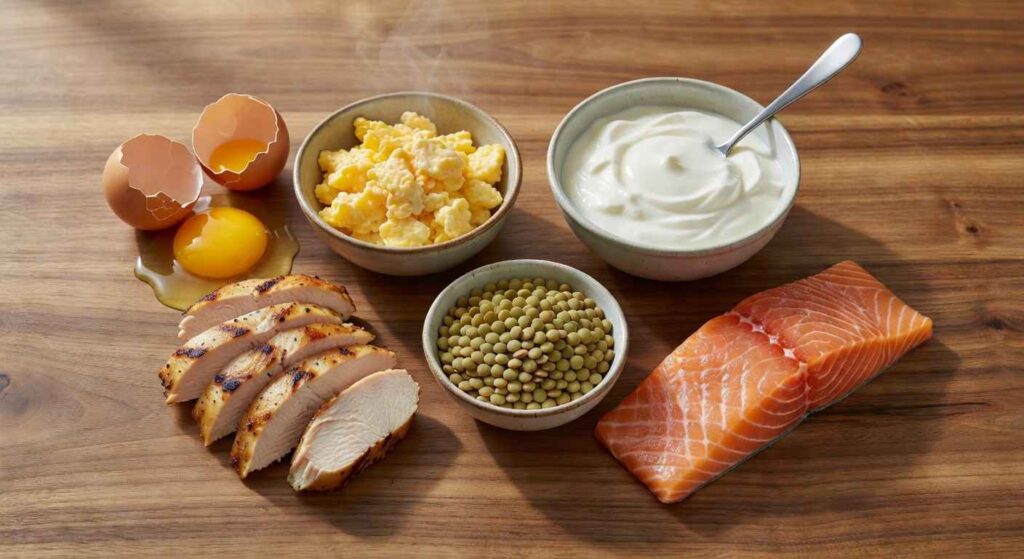
| Food | Benefits | Easy Meal Idea |
|---|---|---|
| Eggs | High protein, extremely filling, affordable | Scrambled eggs with spinach and salsa |
| Greek yogurt | Protein + probiotics, satisfying | Yogurt parfait with berries and chia seeds |
| Lean chicken breast | Very high protein, low fat | Grilled chicken salad with avocado |
| Canned tuna/salmon | Omega-3s, protein, inexpensive | Tuna lettuce wraps with lemon |
| Lentils | Protein + fiber combo — very filling | Lentil soup with cumin and tomatoes |
| Cottage cheese | Slow-digesting protein, great for snacks | Cottage cheese with pineapple chunks |
| Edamame | Plant-based protein + fiber | Steamed with a pinch of sea salt |
The #1 specific food? Many nutrition experts point to eggs as the single most weight-loss-friendly whole food. They’re cheap, versatile, highly satiating, and packed with nutrients. Research has shown that eating eggs for breakfast instead of a bagel can significantly reduce calorie intake throughout the day.
How Did Kelly Clarkson Lose Weight So Quickly?
Kelly Clarkson’s visible weight loss over the past few years attracted enormous public attention — and a flood of speculation online.
While it’s important to respect her privacy and avoid stating anything as medical fact, Kelly herself has spoken publicly about her approach. In interviews, she’s attributed her weight loss to several things:
- Moving to New York City, where she walks significantly more than she did in LA — sometimes 10,000+ steps per day just from regular city life.
- Working with her doctor and making adjustments based on her personal health needs.
- Dietary changes, including reading The Plant Paradox by Dr. Steven Gundry, which focuses on reducing lectins (proteins found in some grains and legumes).
- She also confirmed using a prescription medication to help manage blood sugar levels (a class of medications that have become widely discussed for weight management).
What does this mean for you?
Kelly’s results are the product of a personalized medical plan, significant lifestyle changes, and a city environment that naturally encourages movement. Her journey isn’t a blueprint anyone else should copy directly — and she’s been honest about that herself.
The takeaway? Walking more and working with a healthcare provider are genuinely powerful tools. The rest is personal and medical — not something to replicate without professional guidance.

Which Body Part Loses Fat First?
This is one of the most common (and frustrating) questions in weight loss, and the honest answer is: it depends on your genetics.
Fat loss is systemic — your body doesn’t let you choose where it burns fat from. Instead, it follows a pattern largely dictated by your individual genetics, sex, and hormones.
General patterns observed:
- Men tend to lose fat first from the face, chest, and abdomen.
- Women often notice it first in the face, arms, and breasts — with belly and hip fat being the most stubborn.
- Visceral fat (the deep belly fat surrounding organs) does tend to respond relatively quickly to calorie deficits and exercise.
- Subcutaneous fat (the pinchable fat under your skin) takes longer, especially in areas like the lower belly, hips, and thighs.
The hard truth: You can’t spot-reduce fat. Doing 100 crunches a day won’t specifically burn your belly fat — it’ll strengthen your abs while your body decides where to pull energy from systemically.
What you can do is reduce overall body fat percentage through consistent diet and exercise, and your body’s natural pattern will determine where it comes off.
What Drinks Help With Weight Loss?
The right drinks can genuinely support your weight loss efforts — mostly by keeping you hydrated, curbing appetite, and giving your metabolism a mild boost. Notice the word mild. No drink melts fat. But some are meaningfully better than others.
| Drink | Potential Benefit | Best Time to Drink |
|---|---|---|
| Water | Reduces appetite, boosts metabolism slightly | Before meals (500ml, 30 min prior) |
| Green tea | Contains EGCG, a fat-oxidation compound | Mid-morning or before exercise |
| Black coffee | Suppresses appetite, boosts energy for workouts | Before exercise (in moderation) |
| Protein smoothies | Filling, muscle-preserving meal replacement | Breakfast or post-workout |
| Sparkling water | Satisfies carbonation cravings without calories | Instead of soda, anytime |
| Apple cider vinegar drink | May improve blood sugar response after meals | Diluted in water before meals (1–2 tsp) |
| Ginger lemon water | Mildly digestive-supportive, zero calories | Morning or between meals |
What to avoid: Sugary juices, flavored lattes, sports drinks, and “diet” sodas that trigger cravings. Even “healthy” drinks like kombucha and coconut water carry significant sugar — check labels before gulping them daily.
What Is the Best Breakfast for Losing Belly Fat?
Breakfast can set the tone for your entire day’s eating. A high-protein, fiber-rich breakfast tends to reduce hunger throughout the morning and prevent the 11am crash-and-snack cycle.
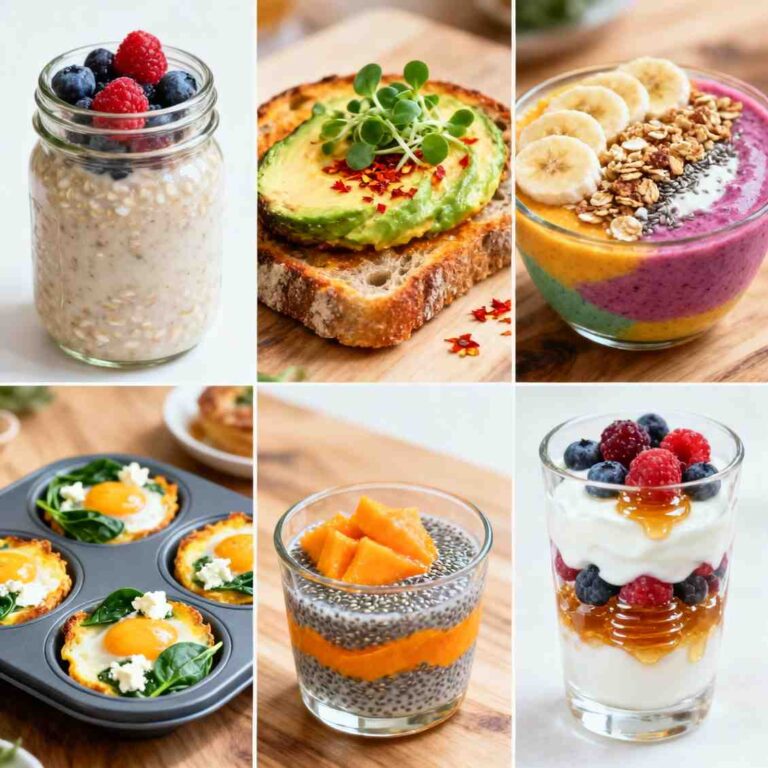
Here are 7 breakfasts that are genuinely excellent for fat loss:
1. Scrambled eggs with vegetables Two to three eggs scrambled with spinach, bell peppers, and onion. High protein, rich in micronutrients, keeps you full for hours.
2. Greek yogurt parfait Plain Greek yogurt layered with fresh berries and a tablespoon of chia seeds. Protein + fiber + probiotics = powerful satiety combo.
3. Oatmeal with protein Half a cup of rolled oats cooked with water, topped with a scoop of protein powder or a spoonful of almond butter, and blueberries on top.
4. Avocado toast with eggs Two slices of whole grain bread, half an avocado, and a poached egg. Healthy fats + complex carbs + protein — genuinely satisfying.
5. Chia seed pudding Three tablespoons of chia seeds soaked overnight in almond milk. Add cinnamon and berries in the morning. Effortless to prep and incredibly filling.
6. Cottage cheese bowl Half a cup of cottage cheese with sliced cucumber, cherry tomatoes, and a drizzle of olive oil. High protein, low sugar, savory option.
7. Veggie omelette Two eggs, a handful of mushrooms, baby spinach, and a sprinkle of feta. This one keeps you full well past lunch.
Pro tip: Aim for at least 25–30 grams of protein at breakfast. Research consistently shows this reduces calorie intake for the rest of the day better than high-carb breakfasts.
How Did Kim Kardashian Lose 16 Pounds in 3 Weeks?
In 2022, Kim Kardashian made headlines when she reportedly lost around 16 pounds in roughly 3 weeks to fit into Marilyn Monroe’s iconic dress for the Met Gala.
She publicly described the approach: cutting sugar and carbohydrates almost entirely, and exercising intensively twice a day.
Let’s be honest about what this means:
The rapid weight loss Kim experienced was almost certainly a combination of:
- Water weight loss from dramatically cutting carbohydrates (glycogen stores hold significant water)
- Extreme calorie restriction over a very short period
- Intense exercise adding to the deficit
- Access to professional nutritionists, trainers, and medical support
It was explicitly temporary and highly controlled — achieved for a single event with resources most people simply don’t have access to.
Why you shouldn’t try to replicate it:
- Cutting nearly all carbs and restricting heavily causes fatigue, brain fog, irritability, and muscle loss
- The weight tends to come back quickly once normal eating resumes
- This approach is not sustainable and not recommended by most dietitians
- Extreme restriction increases the risk of binge eating and disordered eating patterns
The real takeaway from Kim’s story isn’t a method — it’s a reminder that extreme short-term transformations happen in very controlled conditions and carry real costs. A slow, consistent deficit is both safer and more effective long-term.
What Foods Help Burn Fat Quickly?
No food literally “burns” fat on its own — but some foods genuinely support your metabolism, keep you fuller longer, and make staying in a calorie deficit significantly easier.
| Food | Why It Helps | Easy Serving Idea |
|---|---|---|
| Salmon | Omega-3s reduce inflammation, support metabolism | Baked with lemon and herbs, served with greens |
| Eggs | High protein, very satiating | Any style — boiled, scrambled, omelette |
| Leafy greens | Low calorie, high volume, packed with nutrients | Big salad base or sautéed with garlic |
| Chili peppers | Capsaicin mildly boosts metabolism | Add to stir-fry or egg dishes |
| Oats | Soluble fiber (beta-glucan) slows digestion | Warm oatmeal with berries |
| Berries | High fiber, low sugar, antioxidant-rich | Breakfast topping or snack |
| Beans & lentils | Protein + fiber — incredibly filling | Lentil soup, black bean tacos |
| Nuts | Healthy fats that reduce hunger | Small handful as a snack (watch portions) |
| Potatoes | High satiety index (more filling per calorie than rice) | Boiled or baked — avoid frying |
| Apple cider vinegar | May improve insulin sensitivity | Diluted in water as a pre-meal drink |
| Green tea | EGCG compound supports fat oxidation | Replace one daily coffee |
The pattern you’ll notice: whole, minimally processed foods that are high in protein and/or fiber consistently rank highest. They work not by magic, but by keeping you satisfied so you naturally eat less.
What Is the 3-3-3 Rule for Weight Loss?
The 3-3-3 rule for weight loss is a simple, beginner-friendly framework that makes healthy habits feel manageable rather than overwhelming.
Here’s what it means:
3 Balanced Meals Per Day
Instead of grazing, skipping meals, or falling into the trap of “I’ll just have a snack,” aim to eat three intentionally constructed meals each day. Each meal should include:
- A protein source (eggs, chicken, fish, lentils, tofu)
- A vegetable or fiber source
- A small amount of healthy fat or complex carbs
Why this works: Structured meals reduce mindless snacking, help regulate hunger hormones, and make it easier to track what you’re actually eating.
3 Movement Sessions or Walks Per Day
You don’t need to run marathons. Aim for three 10–20 minute walks or movement breaks spread throughout your day — ideally after meals.
Why this works: Post-meal walks have been shown to significantly improve blood sugar regulation and boost fat burning. Three walks totaling 30–45 minutes can burn 150–250+ extra calories per day without feeling like “exercise.”
3 Healthy Habits Maintained Daily
Pick three anchor habits that you commit to every single day, regardless of circumstances. Examples:
- Drink 2 liters of water before dinner
- Get 7+ hours of sleep
- Eat protein at every meal
- Avoid sugary drinks
- Walk after dinner
Why this works: Habits that are small and specific are dramatically more likely to stick than vague intentions. Three consistent habits compound into major change over weeks and months.
The 3-3-3 rule isn’t a diet — it’s a structure. It gives your day a shape that makes healthy choices easier and the unhealthy ones less tempting.
Easy Daily Habits That Help You Lose Weight Faster
Big transformations come from small, daily actions. Here are habits that are genuinely worth adding to your routine:
- Walk after meals — Even 10 minutes helps regulate blood sugar and burns extra calories
- Drink water first thing — Start your morning with a large glass of water before anything else
- Meal prep on Sundays — When healthy food is ready, you’re far less likely to grab something unhealthy
- Eat slowly — It takes about 20 minutes for your brain to register fullness; slow eaters consistently eat less
- Cut sugary drinks — Swapping soda and juice for water or sparkling water alone can create a 200–400 calorie daily deficit
- Sleep 7–9 hours — Poor sleep raises ghrelin (hunger hormone) and lowers willpower; this one habit changes everything
- Eat protein first at meals — Starting with protein before carbs helps reduce total meal intake
- Keep unhealthy food out of the house — You can’t eat what isn’t there; environment design beats willpower every time
None of these are revolutionary. But stacking just four or five of them daily? That’s where real, visible change happens.
Common Weight Loss Mistakes That Slow Progress
Even with the best intentions, these mistakes trip people up constantly:
Crash dieting: Dropping to 800–1,000 calories feels like fast progress but slows your metabolism, causes muscle loss, and almost always leads to rebound weight gain.
Skipping meals: This backfires for most people. You get ravenously hungry, make poor choices, and end up eating more by evening than you would have if you’d eaten normally.
Obsessing over the scale: Weight fluctuates 2–4 pounds daily based on water, food volume, hormones, and sodium. Daily weigh-ins often derail motivation. Try weekly weigh-ins instead, same time, same conditions.
Liquid calories: Lattes, smoothies, juices, and sports drinks carry enormous hidden calories. A medium frappuccino can have 400 calories — a full quarter of most people’s daily targets.
Not eating enough protein: This is the single most common nutritional mistake. Without adequate protein, your body loses muscle during weight loss, slowing metabolism and making the process harder over time.
Rewarding exercise with food: A 30-minute run burns about 300 calories. One post-workout muffin puts it all back. Be mindful of “earned” treats.
All-or-nothing thinking: One “bad” meal doesn’t ruin your progress. Giving up after one slip-up does. Progress isn’t linear — it’s messy, and that’s completely normal.
Easy Weight Loss Meal Ideas
Healthy eating doesn’t have to be bland or complicated. Here are 10 simple, delicious meal ideas:
- Grilled chicken salad — romaine, grilled chicken breast, cucumber, cherry tomatoes, olive oil + lemon dressing
- Turkey lettuce wraps — ground turkey with garlic and onion, wrapped in butter lettuce with sliced avocado
- Egg and veggie stir-fry — two eggs scrambled with zucchini, mushrooms, and a splash of low-sodium soy sauce
- Lentil and tomato soup — red lentils simmered with canned tomatoes, cumin, garlic, and a squeeze of lemon
- Salmon with roasted asparagus — baked salmon fillet with lemon, alongside roasted asparagus drizzled with olive oil
- Black bean tacos — whole grain tortillas with seasoned black beans, salsa, shredded cabbage, and plain Greek yogurt instead of sour cream
- Tuna-stuffed avocado — canned tuna mixed with lemon juice and Dijon mustard, spooned into avocado halves
- Cauliflower fried rice — cauliflower rice sautéed with peas, carrots, egg, and reduced-sodium soy sauce
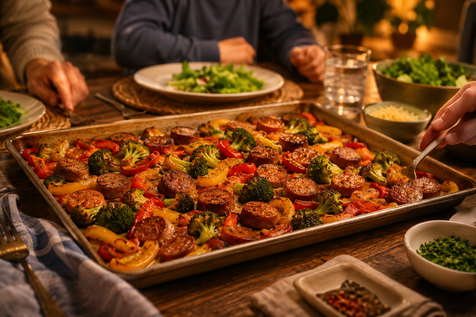
- Chicken and veggie sheet pan — chicken thighs with broccoli, bell peppers, and sweet potato roasted together — maximum flavor, minimum cleanup
- Greek yogurt bowl — plain yogurt with protein powder, walnuts, berries, and a drizzle of honey
7-Day Beginner Weight Loss Meal Plan
| Day | Breakfast | Lunch | Dinner | Snack |
|---|---|---|---|---|
| Monday | Scrambled eggs + spinach | Grilled chicken salad | Salmon + roasted asparagus | Apple + almond butter |
| Tuesday | Greek yogurt parfait + berries | Lentil soup + side salad | Turkey lettuce wraps | Handful of walnuts |
| Wednesday | Oatmeal + protein powder | Tuna-stuffed avocado | Chicken + veggie sheet pan | Cottage cheese + cucumber |
| Thursday | Veggie omelette (2 eggs) | Black bean tacos | Egg and veggie stir-fry | Celery + hummus |
| Friday | Chia seed pudding | Cauliflower fried rice | Baked salmon + salad | Hard-boiled egg + tomatoes |
| Saturday | Avocado toast + poached egg | Chicken and veggie bowl | Lentil and tomato soup | Greek yogurt + chia seeds |
| Sunday | Cottage cheese bowl | Turkey salad wrap | Grilled chicken + sweet potato + greens | Mixed berries + almonds |
Note: Each meal should be satisfying — don’t make these tiny. Adjust portions based on your own hunger signals. The goal is a moderate calorie deficit, not starvation.
FAQ
Can I safely lose 20 pounds in one month? For most people, losing 20 pounds of actual body fat in one month isn’t safe or realistic. A healthy rate is 1–2 pounds per week. You may see larger drops early on due to water weight, but sustainable fat loss takes time. Focus on building habits, not chasing a specific number.
What is the fastest healthy way to lose weight? The fastest healthy approach combines a moderate calorie deficit (about 500 calories per day below your maintenance), high protein intake, daily walking or exercise, adequate sleep, and reduced processed food and sugar. Done consistently, this typically yields 1–2 pounds per week.
What burns belly fat the fastest? There’s no way to target belly fat specifically. However, visceral belly fat (the internal kind) responds well to calorie deficits, regular cardio (especially walking and jogging), strength training, stress reduction, and improved sleep. Reducing alcohol and refined sugar is particularly impactful for belly fat.
Is walking enough for weight loss? Yes — for many people, walking is an excellent foundation for weight loss. A brisk 45–60 minute daily walk can burn 250–400 calories and, combined with dietary changes, produces meaningful fat loss. Add strength training over time to boost metabolism further.
What breakfast keeps you full the longest? High-protein breakfasts win here. Scrambled eggs with vegetables, Greek yogurt with chia seeds, or a protein smoothie will keep you significantly fuller than toast, cereal, or pastries. Aim for 25–35 grams of protein at breakfast.
How much water should I drink to lose weight? A general guideline is 2–3 liters (roughly 8–12 cups) per day, more if you exercise heavily. Drinking 500ml of water before meals has been shown to reduce meal-time calorie intake by around 13% in some studies. Start with water as your primary beverage and work up gradually.
Final Thoughts
If you’ve read this far, here’s what I want you to know: you don’t need to be perfect to make real progress.
You don’t need to eat like a fitness model, work out twice a day, or eliminate every food you love. You need to eat mostly whole, nourishing foods, move your body consistently, sleep enough, drink plenty of water, and be patient with yourself.
Progress over perfection — always.
Will you lose 20 pounds in exactly one month? Maybe not. But could you lose 6–10 pounds of real fat in a month while building habits that actually stick? Absolutely, yes.
The people who achieve lasting weight loss aren’t the ones with the most extreme willpower. They’re the ones who found an approach that was realistic enough to maintain, enjoyable enough to keep doing, and kind enough to themselves to get back on track when life got messy.
That can be you.
Start with two or three habits from this guide. Build from there. Celebrate small wins. And keep going — because the version of you that’s healthier, more energetic, and proud of the choices you make is absolutely worth it.
Looking for more realistic healthy recipes and simple weight-loss meal ideas? Visit Best Carb Recipes for easy meals that make healthy eating feel achievable.

Food lover and creator of BestCarbRecipes, sharing easy recipes, low-carb meal ideas, healthy cooking inspiration, calorie-friendly tips, and practical food guides to make everyday eating simpler, healthier, and more delicious.