The Best Places to Find Low-Carb Meal Plans for Weight Management (2026 Guide)
Quick Answer: You can find low-carb meal plans for weight management on nutrition websites like Healthline and Diet Doctor, apps like Carb Manager and Cronometer, through registered dietitians, or by using free templates from trusted health blogs. These plans work by reducing carbohydrate intake so your body burns stored fat for fuel instead of glucose.
Introduction: Why Low-Carb Eating Works for Weight Management
A low-carb diet is exactly what it sounds like — a way of eating that limits foods high in carbohydrates, like bread, pasta, rice, and sugary snacks. Instead, you focus on protein, healthy fats, and non-starchy vegetables.
People turn to low-carb eating for a simple reason: it works. When you cut carbs, your body stops relying on sugar for energy and starts burning fat instead. That shift is called metabolic flexibility — and it’s a powerful tool for losing weight without starving yourself.
Beyond weight loss, low-carb diets are backed by solid research for other benefits too. They help stabilize blood sugar levels, which is especially important for people managing type 2 diabetes or insulin resistance. Many people also report fewer energy crashes throughout the day once they switch off the blood sugar rollercoaster that comes with high-carb eating.
This guide covers everything you need — where to find low-carb meal plans, what to eat, what to avoid, a 3-day sample plan, and expert tips to make it stick.
The Basics of Low-Carb Meal Plans
Before you go looking for a plan, it helps to understand what “low-carb” actually means in practice.
Most low-carb meal plans target somewhere between 20 and 100 grams of net carbs per day, depending on your goals. Here’s a rough breakdown:
- Very low-carb / Keto: Under 20–30g net carbs per day
- Standard low-carb: 50–100g net carbs per day
- Moderate low-carb: 100–130g net carbs per day
Net carbs = Total carbs minus fiber. Fiber doesn’t spike blood sugar, so most people subtract it.
A solid low-carb meal plan will include lean proteins (chicken, fish, eggs), healthy fats (avocado, olive oil, nuts), and plenty of vegetables that grow above ground (broccoli, spinach, zucchini). The goal isn’t to eliminate carbs entirely — it’s to choose smarter ones and keep your total intake in a range that supports fat burning.
Most plans are built around three meals a day with optional low-carb snacks. You don’t have to count every calorie — but being aware of your carb intake, at least at the start, makes a big difference.
Where to Find Low-Carb Meal Plans
1. Trusted Nutrition Websites
Some of the best free resources are already online. These sites offer structured meal plans, grocery lists, and recipes:
- Diet Doctor — Arguably the most comprehensive low-carb resource online. Free and paid plans, detailed recipes, and guidance from doctors and dietitians.
- Healthline — Research-backed articles and beginner-friendly meal plans with clear carb counts.
- Verywell Fit — Clean, simple low-carb plans with nutritional breakdowns per meal.
- Ruled.me — Specifically focused on keto and low-carb with thousands of recipes and weekly meal plans.
2. Mobile Apps
Apps make it easy to track carbs, plan meals, and stay consistent:
- Carb Manager — Specifically designed for low-carb and keto dieters. Has a built-in meal planner with carb tracking.
- Cronometer — Excellent for detailed nutritional tracking, including carbs, fiber, and micronutrients.
- MyFitnessPal — Has a massive food database; you can filter for low-carb meal plans.
- Yazio — Has a dedicated low-carb mode that auto-generates meal plans.
3. Registered Dietitians and Nutritionists
If you have specific health conditions — like diabetes, PCOS, or metabolic syndrome — working with a registered dietitian (RD) is worth the investment. A professional can tailor a low-carb eating plan to your exact needs, activity level, and health history.
You can find a dietitian through:
- Your primary care doctor
- The Academy of Nutrition and Dietetics (eatright.org)
- Telehealth platforms like Noom, Ro, or Found
4. Books and Printed Guides
Classic books remain solid resources. Look for:
- The Low-Carb Solution by Jennifer Westphal
- Grain Brain by Dr. David Perlmutter
- The Art and Science of Low Carbohydrate Living by Jeff Volek and Stephen Phinney
5. YouTube and Food Blogs
Channels like Thomas DeLauer, Keto Connect, and Low Carb Love offer free weekly meal plan walkthroughs with shopping lists. Many nutrition bloggers also publish free 7-day and 30-day plans with step-by-step guides.
Foods to Eat on a Low-Carb Diet
Proteins
- Eggs (whole, boiled, scrambled)
- Chicken breast and thighs
- Salmon, tuna, sardines, and other fatty fish
- Beef (ground, steak, roast)
- Pork (chops, tenderloin)
- Turkey
- Shrimp and shellfish
- Cottage cheese and Greek yogurt (plain, full-fat)
Healthy Fats
- Avocado and avocado oil
- Olive oil (extra virgin)
- Coconut oil
- Butter and ghee
- Nuts: almonds, walnuts, macadamia nuts, pecans
- Seeds: chia seeds, flaxseeds, pumpkin seeds
- Cheese (cheddar, mozzarella, brie)
Vegetables (Low-Carb Friendly)
- Leafy greens: spinach, arugula, kale, romaine
- Broccoli and cauliflower
- Zucchini and cucumber
- Bell peppers (especially green)
- Asparagus
- Mushrooms
- Celery
- Green beans
- Cabbage
Low-Carb Fruits (in moderation)
- Berries: strawberries, blueberries, raspberries, blackberries
- Avocado (yes, it’s a fruit)
- Olives
- Lemon and lime juice
Foods to Limit or Avoid
High-Carb Foods to Cut Back
- Bread, rolls, bagels, and wraps
- White and brown rice
- Pasta and noodles
- Breakfast cereals
- Oats (large portions)
- Crackers and pretzels
- Chips and popcorn
Sugary Foods and Drinks
- Soda, juice, and sweetened coffee drinks
- Candy, chocolate bars, gummies
- Cakes, cookies, pastries, donuts
- Ice cream and frozen desserts
- Flavored yogurt (most brands are loaded with sugar)
Starchy Vegetables
- Potatoes and sweet potatoes (limit portion sizes)
- Corn
- Peas
- Butternut squash
Hidden Carb Traps
Watch out for these unexpected carb sources:
- Salad dressings (many have added sugar)
- Condiments like ketchup, barbecue sauce, and teriyaki sauce
- Low-fat yogurt and low-fat products (often replace fat with sugar)
- Protein bars (many have 20–30g carbs per bar)
- Flavored nuts with sugar coating
Sample 3-Day Low-Carb Meal Plan
This plan targets approximately 50–80g net carbs per day — a solid starting point for beginners that isn’t as strict as full keto but still effective for weight loss.
🥗 Day 1
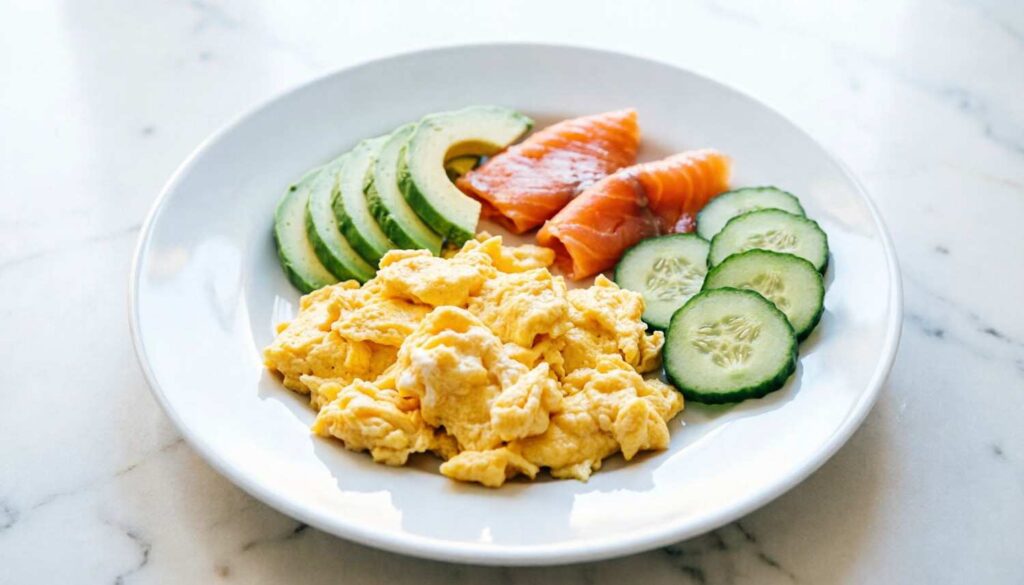
Breakfast: Scrambled Eggs with Avocado and Smoked Salmon
- 3 large eggs scrambled in butter
- ½ avocado, sliced
- 2 oz smoked salmon
- Side of sliced cucumber
Estimated carbs: ~5g net
This breakfast is high in healthy fats and protein, keeping you full for 4–5 hours. The combination of eggs and salmon provides omega-3 fatty acids, which support metabolism and reduce inflammation.
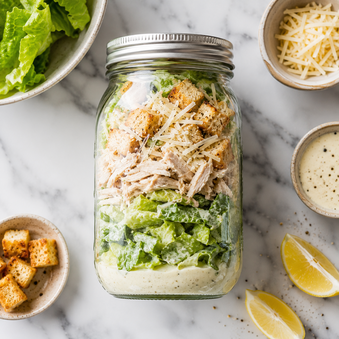
Lunch: Grilled Chicken Caesar Salad (no croutons)
- 5 oz grilled chicken breast
- Large romaine lettuce base
- Parmesan cheese
- Homemade or store-bought Caesar dressing (check for sugar-free)
- Cherry tomatoes (small handful)
Estimated carbs: ~8g net
Skip the croutons and use a Caesar dressing with 1g carbs or less per serving. This is a satisfying lunch you can prep in 10 minutes.
Dinner: Beef Stir-Fry with Zucchini Noodles
- 6 oz lean ground beef or steak strips
- Zucchini spiralized into noodles
- Broccoli, mushrooms, and bell peppers
- Soy sauce, garlic, and ginger for seasoning
- Drizzle of sesame oil
Estimated carbs: ~12g net
Zucchini noodles are a low-carb replacement for pasta that actually holds up well when stir-fried. This dinner is hearty, flavorful, and takes less than 20 minutes to make.
Day 1 Total Net Carbs: ~25–30g
🥗 Day 2
Breakfast: Greek Yogurt Parfait with Berries and Nuts
- 1 cup full-fat plain Greek yogurt
- ½ cup mixed berries (strawberries, blueberries, raspberries)
- 2 tbsp crushed walnuts or almonds
- Optional: a few drops of vanilla extract and a pinch of cinnamon
Estimated carbs: ~18g net
Greek yogurt is one of the best low-carb breakfast options. Go for full-fat to keep you satisfied. The berries add natural sweetness without spiking blood sugar too much.
Lunch: Turkey and Avocado Lettuce Wraps
- 4 oz sliced turkey breast (deli or home-cooked)
- ½ avocado, mashed or sliced
- Butter lettuce leaves (used instead of a wrap)
- Sliced tomato, red onion, and mustard
- Side of celery sticks with almond butter
Estimated carbs: ~10g net
Using lettuce instead of a wrap saves roughly 20–30g of carbs and still gives you that crunchy handheld feel. These take five minutes to put together and work great for meal prep.
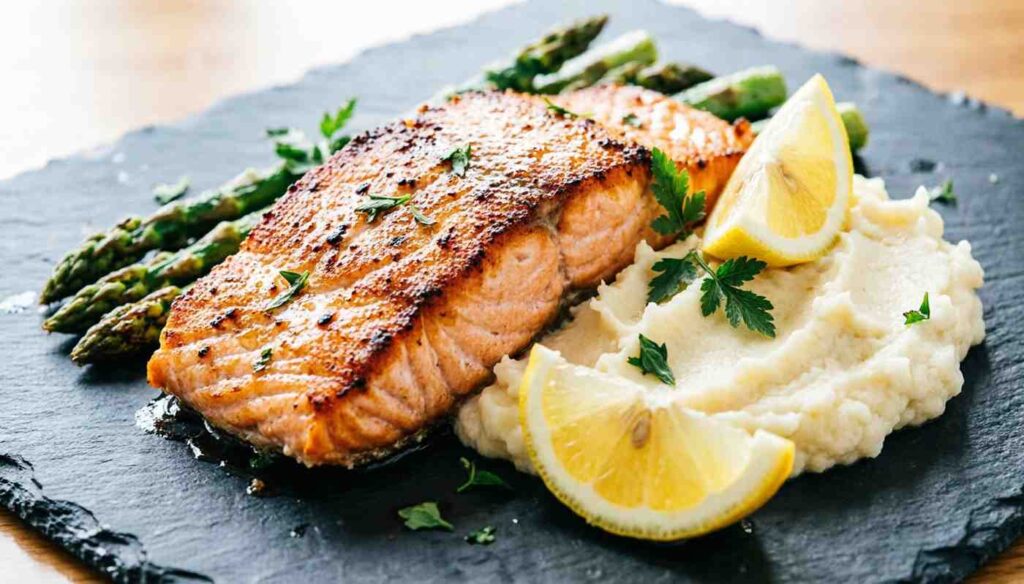
Dinner: Baked Salmon with Asparagus and Cauliflower Mash
- 6 oz salmon fillet, baked with olive oil, garlic, and lemon
- 8–10 asparagus spears, roasted
- 1 cup cauliflower, steamed and mashed with butter, salt, and pepper
Estimated carbs: ~14g net
Cauliflower mash is one of the best low-carb swaps for mashed potatoes. Salmon is rich in protein and omega-3s — a genuinely satisfying dinner that feels like restaurant food.
Day 2 Total Net Carbs: ~42–45g
🥗 Day 3
Breakfast: Veggie Omelette with Cheese
- 3 eggs whisked with a splash of cream
- Diced bell pepper, spinach, and mushrooms
- 1 oz shredded cheddar cheese
- Cooked in butter or olive oil
- Black coffee or unsweetened green tea
Estimated carbs: ~6g net
An omelette is one of the most versatile low-carb breakfasts. You can swap in any vegetables you have on hand. Make it the night before if mornings are rushed — it reheats easily.
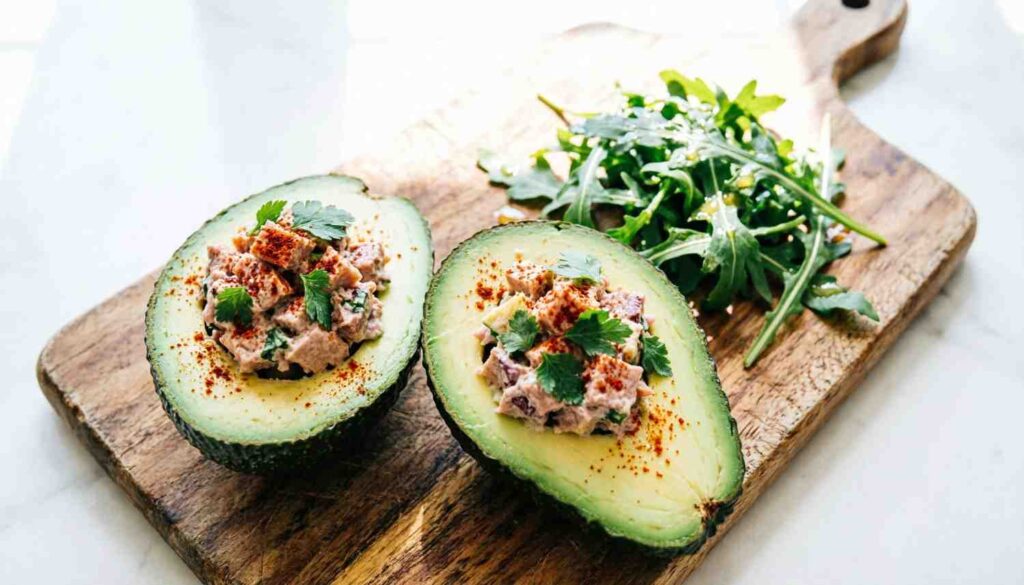
Lunch: Tuna Salad Stuffed Avocados
- 1 can wild tuna in water, drained
- 2 tbsp mayo (full-fat)
- Celery, diced red onion, a squeeze of lemon
- 1 whole avocado, halved and pitted
- Salt, pepper, and paprika to taste
- Side salad of arugula with olive oil and lemon
Estimated carbs: ~8g net
Stuffed avocados look impressive but take under 10 minutes to prepare. Tuna and avocado together offer a satisfying mix of protein and healthy fat that keeps hunger at bay all afternoon.
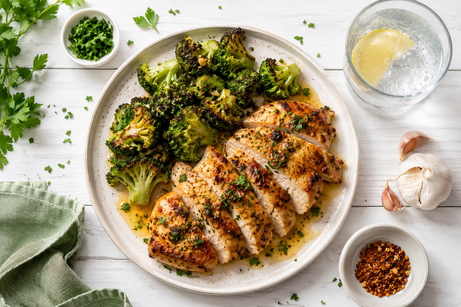
Dinner: Sheet Pan Chicken Thighs with Roasted Broccoli and Green Beans
- 2 bone-in chicken thighs, seasoned with garlic, paprika, and olive oil
- 1 cup broccoli florets
- 1 cup green beans
- Roasted together at 400°F for 35–40 minutes
- Squeeze of lemon and fresh herbs to finish
Estimated carbs: ~12g net
Sheet pan dinners are a meal prep lifesaver. You prep everything in 10 minutes, then the oven does the work. Chicken thighs stay juicy and flavorful, and the vegetables roast beautifully alongside them.
Day 3 Total Net Carbs: ~26–30g
Healthy Low-Carb Snacks
Snacking on a low-carb plan doesn’t mean munching on plain lettuce. Here are genuinely satisfying options:
- Hard-boiled eggs — Prep a batch on Sunday and keep them in the fridge all week. Under 1g carb each.
- Celery with almond butter — Crunchy and creamy. About 4g net carbs per serving.
- A small handful of mixed nuts — Almonds, walnuts, and macadamia nuts are best. Aim for 1 oz to keep carbs in check.
- Cheese and cucumber slices — Simple, satisfying, almost zero carbs.
- Pepperoni and mozzarella — A classic keto snack combo that feels indulgent.
- Olives — Rich in healthy fat, very low in carbs. A great grab-and-go option.
- Greek yogurt with a few berries — Full-fat plain yogurt only. Check the label: under 8g carbs per serving.
- Beef jerky — High protein, portable. Read labels carefully — some brands add sugar.
- Avocado with sea salt — Half an avocado sprinkled with sea salt is filling and satisfying.
- Edamame (in moderation) — About 5g net carbs per ½ cup; provides fiber and protein.
Eating Low-Carb at Restaurants
You don’t have to avoid restaurants on a low-carb plan. You just need to know what to order.
General rules:
- Ask for no bread, bun, or tortilla with any order
- Request extra salad or vegetables instead of fries, rice, or mashed potatoes
- Choose grilled, baked, or broiled proteins over breaded or fried
- Ask for sauces and dressings on the side (many contain hidden sugar)
By restaurant type:
- Steakhouse: Steak with a green salad and grilled vegetables. Easy win.
- Mexican: Burrito bowl without the rice and beans, extra guacamole, lettuce, salsa, and sour cream. Avoid the chips.
- Italian: Order meat or fish with a side of vegetables. Skip the pasta and bread. Many places will substitute extra greens.
- Sushi: Sashimi (fish without rice) is a great option. Avoid rolls, which are rice-heavy.
- Fast food: Most burger chains will do a lettuce wrap. Order a salad with grilled chicken and skip the croutons.
Don’t stress about being perfect. One meal at a restaurant won’t derail your progress. Focus on making the best choice available from the menu.
Tips for Weight Management Success
1. Start Simple, Then Adjust
Don’t try to overhaul your entire diet overnight. Start by cutting out liquid sugar (soda, juice, flavored coffee drinks), then work your way to reducing bread and pasta. Gradual changes stick better than extreme ones.
2. Meal Prep on Sundays
Spending 2–3 hours on Sunday preparing proteins, chopping vegetables, and portioning snacks makes the whole week easier. When healthy food is already ready, you’re far less likely to reach for something processed.
3. Stay Hydrated
When you reduce carbs, your body releases stored glycogen, which holds onto water. This is why many people lose several pounds quickly in the first week — and why staying hydrated is critical. Aim for at least 8–10 glasses of water per day. Adding electrolytes (sodium, potassium, magnesium) can help prevent headaches and fatigue, especially in the early weeks.
4. Don’t Fear Fat
One of the biggest mindset shifts on a low-carb plan is learning to include healthy fats. Fat doesn’t make you fat when you’re limiting carbs — it’s your primary fuel source. Avocado, olive oil, nuts, and fatty fish are all allies.
5. Track Your Progress Beyond the Scale
Weight fluctuates daily based on water, sodium, and hormones. Track how your clothes fit, your energy levels, your sleep quality, and your hunger levels alongside your weight. These give a more complete picture of what’s working.
6. Sleep Matters More Than You Think
Poor sleep raises cortisol and ghrelin, the hunger hormone. Getting 7–8 hours a night isn’t optional for weight management — it’s foundational. Even the best low-carb plan works poorly if you’re consistently sleep-deprived.
Common Mistakes to Avoid
Eating Too Much Protein Without Enough Fat
On a low-carb diet, protein is important — but so is fat. Going too high on lean protein and too low on fat can leave you hungry and irritable. Your body needs fat as a fuel source when carbs are restricted. Balance your plate: roughly one-third protein, one-third fat, one-third vegetables.
Ignoring Hidden Carbs in Sauces and Condiments
Barbecue sauce can have 15g carbs in a single tablespoon. Ketchup, teriyaki, honey mustard, and most marinades are sugar in disguise. Always read labels on anything you pour or dip. Better yet, use olive oil, vinegar, mustard, hot sauce, and fresh herbs instead.
Not Eating Enough Fiber
Cutting out bread and grains removes a lot of dietary fiber, which can lead to digestive issues. Make sure you’re eating plenty of non-starchy vegetables, seeds (chia, flax), and avocado to keep your digestive system working well.
Giving Up After the First Week
The first 5–7 days of a low-carb diet can feel rough. Fatigue, headaches, and cravings are common as your body adjusts to burning fat instead of glucose. This is often called the “low-carb flu.” It passes. Most people feel significantly better by week two. Don’t quit during the adjustment phase.
Not Planning Meals in Advance
Without a plan, you end up making impulsive food choices — usually high-carb ones. Even a loose plan for the week (knowing what’s for dinner each night and having snacks ready) dramatically improves consistency.
Drinking Your Calories
Fruit juice, smoothies with banana or mango, flavored lattes, and sports drinks can contain 40–60g of carbs in a single serving. Stick to water, black coffee, plain tea, or sparkling water. If you need flavor, add lemon, cucumber, or mint.
FAQ: Low-Carb Meal Plans for Weight Management
What are the best low-carb foods?
The best low-carb foods are eggs, fatty fish (salmon, sardines, tuna), chicken and turkey, beef and pork, non-starchy vegetables (broccoli, spinach, zucchini, cauliflower), avocado, nuts and seeds, olive oil, and full-fat dairy. These foods are filling, nutrient-dense, and keep your blood sugar stable.
Can low-carb diets help with weight loss?
Yes. Low-carb diets are one of the most well-studied approaches for weight loss. By reducing carbohydrate intake, your body lowers insulin levels and shifts to burning stored fat for energy. Many people lose more weight in the first few weeks on a low-carb plan than on a calorie-restricted diet, partly due to water loss and partly from reduced appetite.
How many carbs per day for weight management?
For most people, staying between 50–100g of net carbs per day supports steady weight loss. If you want faster results or have insulin resistance, reducing to under 50g (or even under 20g for keto) may be more effective. It’s best to start at a moderate level and adjust based on how your body responds.
Is a low-carb diet healthy long-term?
Research generally shows that low-carb diets are safe and beneficial long-term for most healthy adults. They improve blood sugar, cholesterol profiles, and blood pressure in many people. That said, the quality of the foods you eat matters — a low-carb diet built on whole foods is very different from one built on processed meats and cheese alone.
Can I eat fruit on a low-carb diet?
Yes, in moderation. Berries (strawberries, raspberries, blackberries, blueberries) are the best options — they’re relatively low in carbs and high in antioxidants. Tropical fruits like bananas, mangoes, and pineapple are high in sugar and should be minimized or avoided, especially in the early stages.
What snacks are low-carb?
Great low-carb snacks include hard-boiled eggs, cheese and vegetables, a small handful of nuts, celery with almond butter, Greek yogurt (plain, full-fat), olives, beef jerky (no sugar added), and sliced cucumber with guacamole. Keep snacks protein- or fat-forward to avoid spikes in hunger.
Is keto better than low-carb for weight loss?
Keto (under 20–30g carbs/day) tends to produce faster initial weight loss due to greater reduction in insulin and faster fat-burning. However, it’s more restrictive and harder to maintain long-term. A standard low-carb plan (50–100g carbs/day) is often more sustainable and still produces excellent results. The best plan is the one you’ll actually stick to.
Can I follow a low-carb diet as a complete beginner?
Absolutely. Start by removing the most obvious high-carb foods: sugary drinks, bread, pasta, and rice. Replace them with more vegetables, eggs, and lean protein. You don’t need to count every carb in the beginning — just focus on whole foods and limit processed ones. As you settle into it, you can refine your approach using an app or a structured plan.
What is the difference between keto and low-carb?
Keto is a more extreme version of low-carb. On keto, you restrict carbs to under 20–30g per day to enter a metabolic state called ketosis, where your body primarily runs on fat (ketones) instead of glucose. Low-carb plans allow more flexibility — typically 50–130g net carbs per day — which makes them easier to follow for most people while still supporting weight loss.
How long until I see results on a low-carb diet?
Most people notice changes within the first 1–2 weeks. The first few pounds are often water weight lost as glycogen stores deplete. True fat loss becomes visible and measurable by weeks 3–4. Meaningful body composition changes typically show within 4–8 weeks for most people who stay consistent.
Conclusion
Finding a low-carb meal plan for weight management is easier than ever — between dedicated apps, expert nutrition websites, registered dietitians, and thousands of free recipes, there’s no shortage of resources. The key is picking one approach and sticking with it long enough to let your body adapt.
Low-carb eating doesn’t have to be complicated or boring. As this guide shows, the meals are satisfying, flavorful, and genuinely enjoyable. You don’t have to white-knuckle through hunger or count every calorie — you just need to choose the right foods consistently.
Start with the 3-day plan in this article. See how you feel. Adjust as needed. One week of low-carb eating can completely change your relationship with hunger, energy, and food — and that’s where sustainable weight management begins.

Food lover and creator of BestCarbRecipes, sharing easy recipes, low-carb meal ideas, healthy cooking inspiration, calorie-friendly tips, and practical food guides to make everyday eating simpler, healthier, and more delicious.