
Can You Really Lose 10 Pounds in 3 Days? What Science Says
Can You Really Lose 10 Pounds in 3 Days? What Science Says

Can You Really Lose 10 Pounds in 3 Days?
If you’ve got an important event coming up in just a few days, it’s completely normal to wonder whether it’s possible to drop a significant amount of weight quickly. Maybe it’s a wedding, a vacation, a photoshoot, or a reunion, and you’d love to feel lighter and more confident before it arrives.
A common question people search for is: “Can you lose 10 pounds in 3 days?” With so many detox programs, extreme diets, and rapid-weight-loss claims online, it can be difficult to separate fact from fiction.
The reality is a little more complicated than most headlines suggest. While the number on the scale can change dramatically over a short period, understanding what that weight actually represents is important. Some of it may be water weight, some may be food volume in the digestive system, and only a very small portion is likely to be body fat.
In this guide, we’ll take a closer look at what happens when you try to lose weight in a very short timeframe, what results are realistically achievable, and which strategies can help you look and feel your best without resorting to unhealthy extremes.
Before you start any rapid weight-loss plan, it’s worth knowing what the science says—and why sustainable habits almost always outperform quick fixes in the long run.
Why People Want to Lose Weight Fast
There’s no shame in wanting quick results. We live in a world of instant gratification, and the diet industry is very good at feeding that desire. But the truth is, the why behind your weight loss goal matters a lot.
Are you trying to fit into a dress for a one-time event? Or are you looking for a sustainable lifestyle change? The answer shapes everything — from how you approach dieting, to how you handle setbacks.
Studies consistently show that people who focus on long-term behavior changes lose more weight and keep it off, compared to those chasing rapid results. That said, understanding what is and isn’t possible in a short timeframe is powerful knowledge. So let’s be real about the numbers.
Is It Actually Possible to Lose 10 Pounds in 3 Days?
Short answer: Not 10 pounds of fat — but 10 pounds total? Technically yes, under certain conditions. And the distinction matters enormously.
Water Weight vs Fat Loss
Your body holds onto a significant amount of water at any given time. When you dramatically cut carbohydrates or calories, your body depletes glycogen stores (the form of carbohydrate stored in your liver and muscles). Each gram of glycogen holds about 3 grams of water. So as glycogen drains, water follows — fast.
This is why low-carb or crash dieters often see dramatic drops on the scale in the first few days. It’s exciting, but it’s not fat. It’s water. The moment you eat carbs again, the scale jumps right back up.
In terms of pure fat loss, the math is sobering: one pound of fat equals approximately 3,500 calories. To lose 10 pounds of fat, you’d need to create a deficit of 35,000 calories. In three days, that’s physiologically impossible — even with total starvation.
How Much Fat Can You Realistically Lose?
With a strong, consistent caloric deficit, most people can lose between 0.5 to 1 pound of actual fat per week. In a single aggressive week — think 1,200 calories per day combined with exercise — you might lose 1.5 to 2 pounds of fat.
So in three days? Realistically, you might lose:
- 2 to 5 pounds of water weight (especially if you cut carbs)
- 0.5 to 1 pound of actual fat
- A total of 3 to 6 pounds on the scale
| Weight Loss Type | Realistic 3-Day Range |
|---|---|
| Water weight loss | 2–5 lbs |
| Fat loss | 0.3–0.7 lbs |
| Total scale drop | 3–6 lbs |
| Actual sustained loss | 0.5–1 lb |
It’s not 10 pounds of fat — but it’s not nothing, either. The key is knowing what you’re actually losing.

Does Fasting From 7pm to 7am Work?
Yes — and it works better than most people expect, especially for beginners. Fasting from 7pm to 7am is a 12-hour overnight fast, which is actually one of the gentlest entry points into intermittent fasting.
Most of that 12-hour window happens while you’re asleep, so it doesn’t require any dramatic willpower. Your body naturally shifts into a fat-burning state (called ketosis) after glycogen stores deplete — typically around the 10 to 12-hour mark.
Benefits of Overnight Fasting
Research supports several meaningful benefits of consistent overnight fasting:
- Improved insulin sensitivity — Your cells become more efficient at using glucose, which reduces fat storage.
- Enhanced fat oxidation — Your body starts burning stored fat for fuel in the overnight hours.
- Better sleep quality — Eating too close to bedtime disrupts sleep; fasting earlier supports deeper rest.
- Reduced total calorie intake — Cutting out late-night snacking alone can eliminate hundreds of calories.
- Reduced inflammation — Some studies show lower markers of systemic inflammation with regular fasting.
A 12-hour fast isn’t magic, but if you’re currently eating at 10pm and having breakfast at 6am, that’s only an 8-hour fast. Shifting your last meal to 7pm is a small, manageable change with real returns.
Best Foods to Eat After Fasting
What you break your fast with matters. After an overnight fast, your body is primed to absorb nutrients efficiently. The worst thing you can do is reach for a sugary cereal or pastry — it spikes your blood sugar and triggers fat storage.
Instead, try to break your fast with:
- Eggs — high protein, keeps you full
- Greek yogurt — protein + probiotics
- Avocado on whole grain toast — healthy fat + fiber
- A smoothie with protein powder, spinach, and berries — nutrient-dense, low in sugar
- Oatmeal with nuts — slow-burning carbs with fiber
The goal is to stabilize blood sugar, fuel your metabolism, and stay satisfied until your next meal.
Which Body Part Loses Fat First?
This is one of the most Googled weight loss questions — and honestly, one of the most frustrating to answer, because the truth is: you can’t fully control where fat comes off first.
Fat loss is largely determined by genetics, hormones, sex, and age. That said, research does show some general patterns:
- Men tend to lose fat first from the face, neck, and abdomen.
- Women tend to see initial loss in the face, arms, and bust, with belly and hip fat often being the most stubborn.
- Visceral fat (the dangerous fat around your organs) tends to respond well to caloric deficits and exercise — often before subcutaneous fat (the fat you can pinch under your skin).
The frustrating reality is that the places you most want to lose fat — like the belly or thighs — are often the last places your body releases it from. Spot reduction (targeting a specific body area) is largely a myth. Full-body exercise, consistent caloric deficit, and patience are your best tools.
The good news? Once fat loss starts, it doesn’t stop in one place — it gradually works its way across your body.
What Is the #1 Worst Food for Weight Gain?
If there were one single food most responsible for unexplained weight gain, stubborn belly fat, and metabolic disruption — it would be refined sugar, particularly in liquid form (think sodas, sweetened juices, energy drinks, and flavored coffees).
Here’s why liquid sugar is so dangerous:
- It bypasses the feeling of fullness. You can drink 400 calories in a single large coffee and feel zero satiety.
- It causes massive insulin spikes, which directly signals your body to store fat — especially in the abdominal region.
- It contains zero nutritional value — no fiber, no protein, no vitamins.
- It’s highly addictive, triggering dopamine pathways similar to recreational substances.
A study published in the journal Circulation found that people who consumed one to two sugary drinks per day had a significantly higher risk of obesity, type 2 diabetes, and cardiovascular disease compared to those who rarely drank them.
Foods That Cause Belly Fat Fast
Beyond sugary drinks, a few other culprits are worth knowing:
| Food | Why It Causes Belly Fat |
|---|---|
| Sugary beverages (soda, juice, energy drinks) | Liquid calories, massive insulin spikes |
| White bread and refined pasta | High glycemic, quickly converts to sugar |
| Fried fast food | Trans fats + sodium drive inflammation and fat storage |
| Flavored yogurt (low-fat varieties) | Disguised sugar bombs with minimal protein |
| Alcohol (especially beer) | Empty calories + slows fat metabolism |
| Packaged snack foods (chips, crackers) | Refined carbs + seed oils + addictive additives |
The common thread? Processed, packaged, high-glycemic foods that your body can’t use effectively — so it stores them.
What’s the Worst Carb for Belly Fat?
Among all carbohydrates, refined fructose — especially high-fructose corn syrup (HFCS) — is arguably the most damaging specifically for abdominal fat accumulation.
Here’s the science: Unlike glucose (which can be used by every cell in your body), fructose is almost exclusively processed by the liver. When you consume it in excess, the liver converts it directly into fat — specifically, triglycerides, which get stored as belly fat and contribute to fatty liver disease.
Refined fructose hides in plain sight:
- Sweetened breakfast cereals
- “Healthy” granola bars and protein bars
- Flavored oatmeal packets
- Store-bought salad dressings
- Canned soups and pasta sauces
- Low-fat yogurts
- Most condiments, including ketchup
Beyond fructose, white bread deserves a dishonorable mention. Its glycemic index rivals that of pure sugar. It causes blood sugar to spike and crash rapidly, leaving you hungry again within an hour — and chronically storing fat in your midsection.
If you’re serious about reducing belly fat, cutting refined carbs (especially fructose and white flour products) should be your first move — even before cutting calories.
How to Lose 5 lbs in 5 Days Safely
Losing 5 pounds in 5 days is more realistic than 10 pounds in 3 days — and it is achievable, especially if you’re retaining water or have recently been eating high-sodium, high-carb foods.
Here’s how to do it without destroying your metabolism:
- Create a moderate caloric deficit of 500 to 750 calories per day
- Drink at least 2.5 to 3 liters of water daily (this flushes sodium and reduces bloating)
- Cut alcohol, refined carbs, and added sugar entirely for 5 days
- Add 30 to 45 minutes of cardio per day (walking, cycling, or swimming count)
- Get 7 to 8 hours of sleep — cortisol from poor sleep actively promotes fat storage
Foods to Eat
Focus on clean, whole foods that keep you full without excess calories:
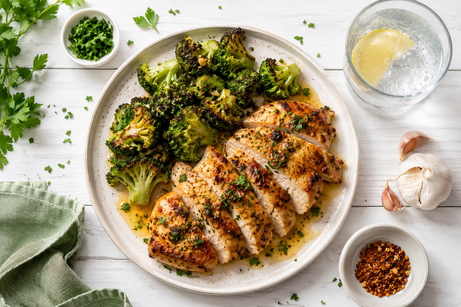
- Lean proteins: chicken breast, turkey, eggs, white fish, Greek yogurt
- Non-starchy vegetables: spinach, kale, broccoli, cucumber, zucchini, peppers
- Healthy fats (in moderate amounts): avocado, olive oil, almonds, walnuts
- Low-sugar fruits: berries, green apple, grapefruit
- Complex carbs (small portions): sweet potato, oats, brown rice
- Hydrating foods: cucumber, celery, watermelon, lemon water
Foods to Avoid
Cut these completely for 5 days:
- Processed meats (deli slices, bacon, sausage)
- White bread, white rice, pasta
- Sugary drinks, alcohol, and fruit juice
- Fast food and fried items
- Store-bought baked goods and snack foods
- High-sodium canned or frozen meals
Stick to this framework and you’ll likely see 3 to 5 pounds gone on the scale by day 5 — a combination of genuine fat loss, reduced water retention, and less digestive bloat.
What Is the Military 3-Day Diet?
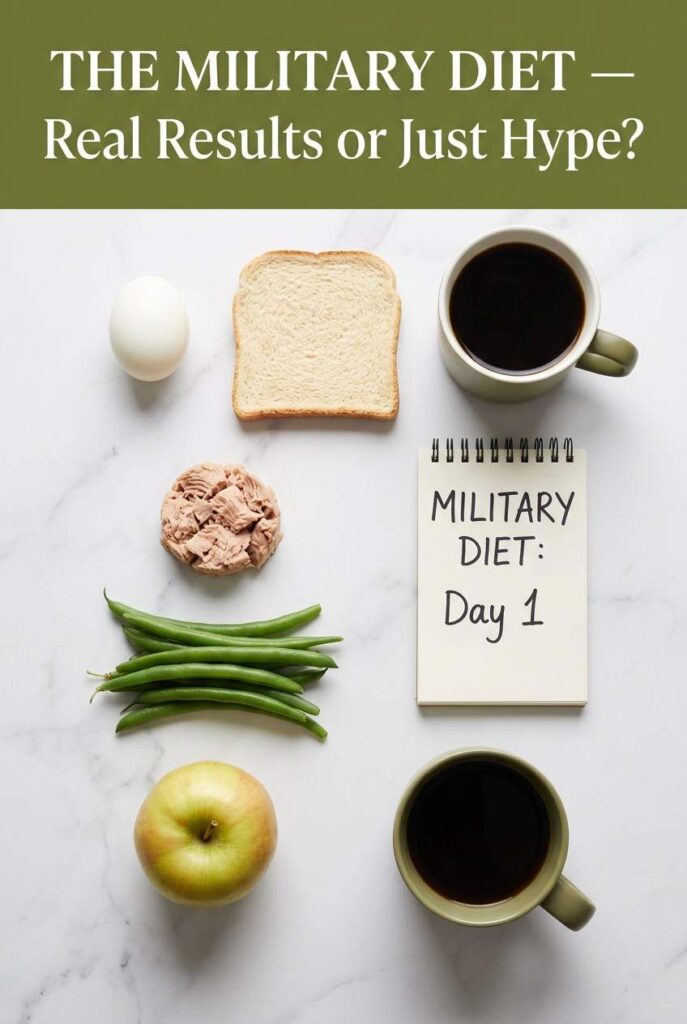
The military diet (sometimes called the 3-day diet or the Army diet) is a short-term, structured eating plan that claims to help you lose up to 10 pounds in one week. Despite the name, it has no official connection to any military branch.
The plan involves three days of strict, low-calorie eating (around 1,100 to 1,400 calories per day) followed by four days of normal eating. The total weekly cycle is then repeated.
Sample Day 1 Menu:
| Meal | Foods |
|---|---|
| Breakfast | Black coffee or tea, half a grapefruit, 1 slice of toast, 2 tbsp of peanut butter |
| Lunch | 1/2 cup of tuna, 1 slice of toast, black coffee or tea |
| Dinner | 3 oz of any lean meat, 1 cup of green beans, 1/2 banana, 1 small apple, 1 cup of vanilla ice cream |
Day 2 and Day 3 follow a similarly spartan structure, with foods like eggs, cottage cheese, hot dogs (yes, really), broccoli, and carrots.
Does the Military Diet Really Work?
In the short term, many people do lose weight on the military diet — but most of that loss, again, is water weight and glycogen depletion rather than fat.
Here’s the full picture:
Potential benefits:
- Simple and structured — no complicated meal prep
- Short commitment (only 3 strict days)
- Creates a significant caloric deficit
- Can jumpstart motivation
Drawbacks and risks:
- Very low in nutrients — lacks adequate fiber, vitamins, and healthy fats
- Highly restrictive, which can trigger binge eating on the “off” days
- Not sustainable long-term
- Some food choices (like hot dogs) are processed and inflammatory
- No guidance on exercise or lifestyle habits
Bottom line: the military diet can produce a short-term scale drop, but it’s not a fat-loss solution. If you’re going to try it, do it once as a reset — not as a regular routine.
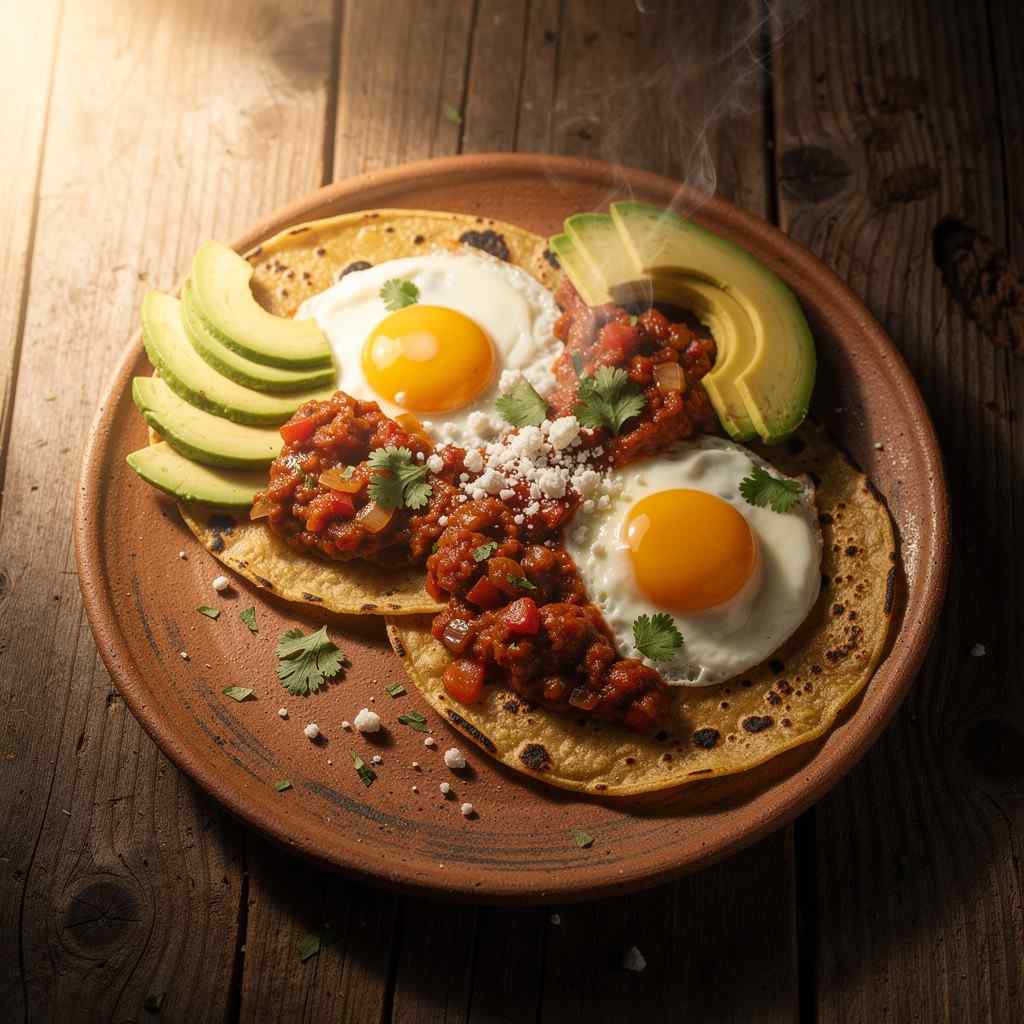
Healthy Alternatives to Extreme Dieting
Here’s the truth that most diet content won’t tell you: extreme dieting almost always backfires.
When you dramatically slash calories, your body responds by lowering your metabolic rate, increasing hunger hormones (ghrelin), and decreasing satiety hormones (leptin). You burn fewer calories, feel hungrier, and eventually — almost inevitably — overeat.
The most effective, evidence-based alternatives include:
1. Caloric deficit without deprivation A 300 to 500 calorie daily deficit leads to steady, sustainable fat loss of 0.5 to 1 pound per week. It’s slower, but it’s real — and it sticks.
2. Protein-forward eating Increasing protein to 25–35% of your diet boosts satiety, preserves muscle mass during fat loss, and slightly elevates your metabolic rate (due to the thermic effect of food).
3. Strength training + walking Muscle is metabolically expensive — it burns more calories at rest. Combining resistance training with daily walking (even 30 minutes) is one of the most effective long-term fat loss combinations.
4. Sleep optimization Poor sleep is one of the most underestimated contributors to weight gain. Aim for 7 to 9 hours. Even two consecutive nights of poor sleep can spike appetite hormones significantly.
5. Stress management Chronic cortisol (stress hormone) directly promotes abdominal fat storage. Managing stress through meditation, journaling, nature walks, or therapy isn’t just “self-care” — it’s metabolic strategy.
Final Verdict: Should You Try to Lose 10 Pounds in 3 Days?
Let’s be completely honest: losing 10 pounds of fat in 3 days is not physiologically possible. Anyone promising that is selling you something — and it’s probably not worth buying.
What is possible in 3 days:
- 3 to 6 pounds of scale weight loss (mostly water and glycogen)
- Reduced bloating and inflammation
- Improved energy from cleaner eating
- A momentum boost that can kick off a longer journey
The better question to ask yourself isn’t “how fast can I lose this weight?” — it’s “how do I lose this weight and never find it again?”
That answer involves real food, consistent movement, better sleep, and the patience to let your body do what it’s designed to do. It’s not glamorous. It won’t go viral. But it works.
Start with one change today. Cut the sugary drinks. Add a 30-minute walk. Stop eating after 7pm. Then build from there.
You don’t need a miracle. You need a plan you can actually stick to.
Ready to take the next step? Bookmark this article, share it with someone who needs it, and start with just one of these tips today. Real change starts with a single decision.
FAQ
Can I lose 10 pounds in 3 days naturally?
Not 10 pounds of fat — but 3 to 6 pounds of scale weight is possible through water loss, reduced glycogen stores, and lower inflammation. To achieve this naturally, cut refined carbs and sodium, drink plenty of water, avoid alcohol, and move your body daily. The scale will drop, but it’s important to understand that most of it is water, not fat. Genuine fat loss takes more time.
Is fasting overnight good for weight loss?
Yes, consistent overnight fasting — especially a 12-hour window like 7pm to 7am — can support weight loss by improving insulin sensitivity, reducing late-night caloric intake, and allowing your body to shift into fat-burning mode. It’s one of the easiest entry points into intermittent fasting because most of the fast happens while you’re asleep. Pair it with whole-food nutrition during your eating window for best results.
What foods burn belly fat fast?
No single food “burns” belly fat, but certain foods support fat loss by keeping you full, stabilizing blood sugar, and reducing inflammation. The best options include: leafy greens (spinach, kale), lean proteins (eggs, chicken, Greek yogurt), healthy fats (avocado, olive oil, nuts), green tea, berries, and fiber-rich vegetables. Equally important: eliminating refined sugar, liquid calories, and processed carbs.
Is the military diet safe?
For most healthy adults, following the military diet for 3 days is unlikely to cause serious harm. However, it’s low in nutrients, highly restrictive, and not sustainable. People with diabetes, heart conditions, eating disorder history, or other medical conditions should avoid it or consult a doctor first. As a long-term approach, it falls short — but as a short-term reset, most healthy individuals can tolerate it without major issues.
Why do I lose weight quickly at first?
Rapid early weight loss is almost always due to water and glycogen depletion, not fat burning. When you reduce calories or carbohydrates, your body rapidly burns through stored glycogen (carbohydrate reserves in your liver and muscles). Because glycogen holds 3 grams of water per gram of glycogen, losing glycogen means losing water weight fast. After the first week or two, weight loss slows to a pace that reflects actual fat loss — which is normal and healthy.
Disclaimer: This article is for informational purposes only and does not constitute medical advice. Always consult a qualified healthcare professional before beginning any new diet or exercise program.

Food lover and creator of BestCarbRecipes, sharing easy recipes, low-carb meal ideas, healthy cooking inspiration, calorie-friendly tips, and practical food guides to make everyday eating simpler, healthier, and more delicious.