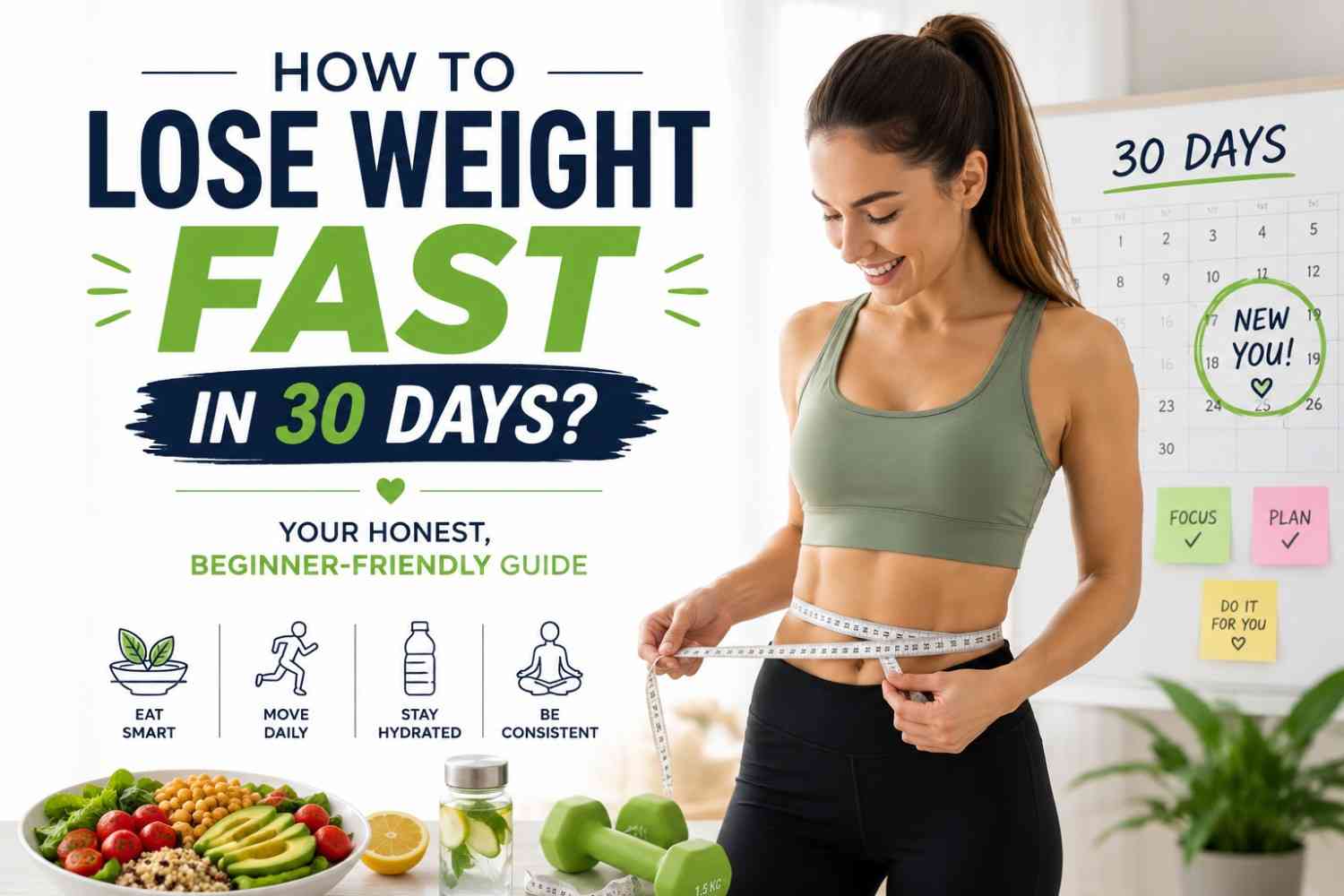
How to Lose Weight Fast in 30 Days? Your Honest, Beginner-Friendly Guide

How to Lose Weight Fast in 30 Days? Your Honest, Beginner-Friendly Guide
How to Lose Weight Fast in 30 Days? Your Honest, Beginner-Friendly Guide
If that sounds familiar, you’re definitely not alone. We’ve all been there — scrolling through social media late at night, watching someone’s dramatic before-and-after transformation, wondering why nothing seems to work for us the way it seems to for them.How to Lose Weight Fast in 30 Days? Your Honest, Beginner-Friendly Guide
Here’s the truth no one tells you upfront: the internet is absolutely full of contradictory, confusing, and frankly dangerous weight loss advice. Detox teas. Extreme calorie cuts. Five-day “cleanses.” Supplements with names you can’t pronounce. It’s overwhelming — and most of it just doesn’t work long-term.
But here’s the good news, and I really mean this: healthy, fast weight loss is genuinely possible in 30 days. Not magic-wand possible. Not drop-50-pounds possible. But real, visible, feel-good-in-your-body progress? Absolutely yes.
This guide cuts through the noise. No crash diets. No punishing yourself. Just clear, beginner-friendly strategies backed by how your body actually works. Let’s go.
Can You Really Lose Weight Fast in 30 Days?

Let’s set the record straight, because expectations matter more than most people realize. If you go in thinking you’ll drop 20 pounds in four weeks, you’re likely setting yourself up for disappointment — and that disappointment often leads to giving up entirely.
Here’s what the research actually shows: a safe, sustainable rate of fat loss is typically 1 to 2 pounds per week. That means in 30 days, a realistic goal is losing somewhere between 4 and 8 pounds of actual fat. Some people lose more in the first week — often that’s water weight and bloat — and that’s completely normal.
The key principle behind all of this is the calorie deficit: consuming fewer calories than your body burns. When you do this consistently while eating nutritious food and moving your body, fat loss follows. There’s no magic formula, just that consistent principle applied day after day.
| Your Goal | Realistic 30-Day Result | The Healthy Strategy |
|---|---|---|
| Lose belly fat visibly | 1–3 inches reduction possible | Calorie deficit + protein + strength training |
| Drop overall weight | 4–8 lbs of fat loss | Consistent deficit of 300–500 cal/day |
| Reduce bloating fast | 2–5 lbs water weight in week 1 | Cut processed foods, drink more water |
| Build a leaner body | Noticeable tone with resistance training | Strength train 3x/week + high protein |
| Feel more energetic | Within 1–2 weeks | Better sleep, whole foods, hydration |
💡
The Bottom LineConsistency beats intensity every single time. A moderate, steady approach to calorie reduction — combined with daily movement and quality sleep — will get you further in 30 days than any extreme crash
What Actually Helps You Lose Weight Faster?

There are dozens of tactics out there, but a handful of habits are genuinely backed by science and beginner-friendly. These are the fundamentals — and when you stack them together, your results compound quickly.
| Habit | Why It Helps | Easy Beginner Tip |
|---|---|---|
| Calorie deficit | Forces your body to burn stored fat | Cut 300–500 calories from your daily intake |
| High protein intake | Keeps you full, preserves muscle, boosts metabolism | Add eggs, chicken, or Greek yogurt to every meal |
| Quality sleep | Regulates hunger hormones (ghrelin and leptin) | Aim for 7–8 hours; sleep in a cool, dark room |
| Hydration | Reduces false hunger cues, supports metabolism | Drink 2 glasses of water before each meal |
| Daily walking | Burns calories without gym equipment | 10–20 minute walk after dinner every night |
| Strength training | Builds lean muscle that burns calories at rest | 3 sessions per week — even bodyweight counts |
| Reducing ultra-processed foods | Cuts hidden calories, sugar, and sodium | Replace chips/cookies with nuts or fruit |
What to Drink for Fat Loss?
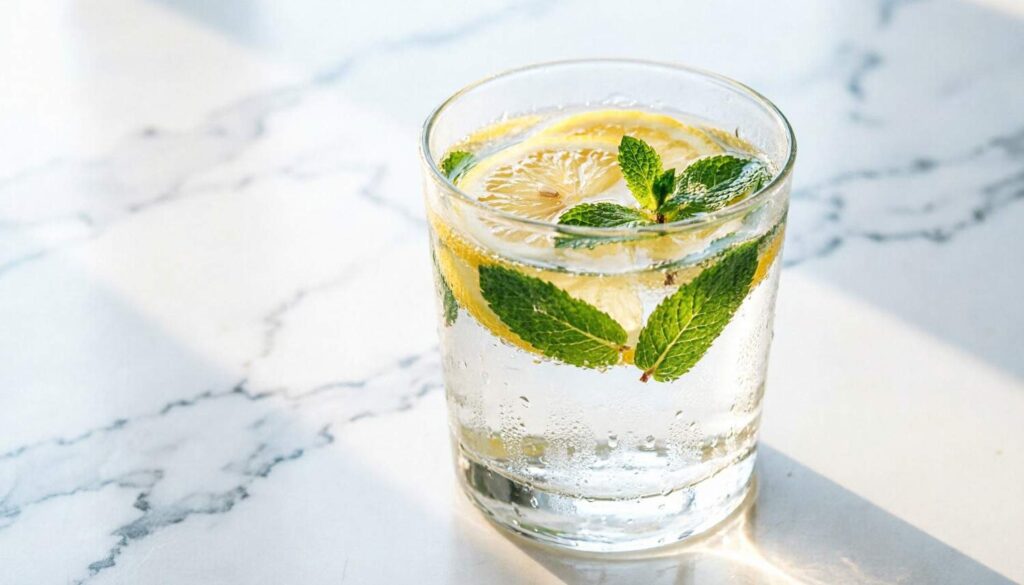
This is one of the most-searched questions about weight loss, and for good reason. What you drink matters enormously — liquid calories sneak up on people all the time, and the right drinks can actively support fat loss.
The best fat-loss drinks, ranked by effectiveness:
- Water — The undisputed champion. Free, zero calories, and proven to reduce appetite when consumed before meals.
- Green tea — Contains catechins and a small amount of caffeine that together gently boost metabolism and fat oxidation.
- Black coffee — Caffeine raises your metabolic rate and enhances fat burning during exercise. Keep it plain — no sugary syrups.
- Protein smoothies — When made with protein powder, unsweetened plant milk, and a handful of greens, these are genuinely satisfying meal replacements.
- Sparkling water — A brilliant swap for soda. The bubbles help with satiety without any sugar.
- Apple cider vinegar drinks — Some evidence suggests ACV can slightly reduce blood sugar spikes and curb appetite. Mix 1–2 tsp in a large glass of water before meals.
| Drink | Key Benefit for Fat Loss | Best Time to Drink |
|---|---|---|
| Water (plain) | Suppresses appetite, boosts metabolism | First thing AM + before each meal |
| Green tea | Boosts fat oxidation, antioxidant-rich | Morning or 1–2 hours after eating |
| Black coffee | Increases metabolic rate, improves workouts | 30–60 min before exercise |
| Protein smoothie | Fills you up, preserves muscle | Breakfast or post-workout |
| Sparkling water | Replaces soda, reduces bloat | Any time you crave something fizzy |
| ACV drink | Mild appetite control, blood sugar balance | 15 minutes before meals |
| Lemon water | Hydrating, supports digestion | First thing in the morning |
🚫
Avoid these liquid calorie traps:Sweetened coffees, fruit juices, energy drinks, smoothies with added sugar, alcoholic beverages, and flavored milks. These can easily add 300–600 hidden calories to your day.
Does Fasting From 7PM to 7AM Work?
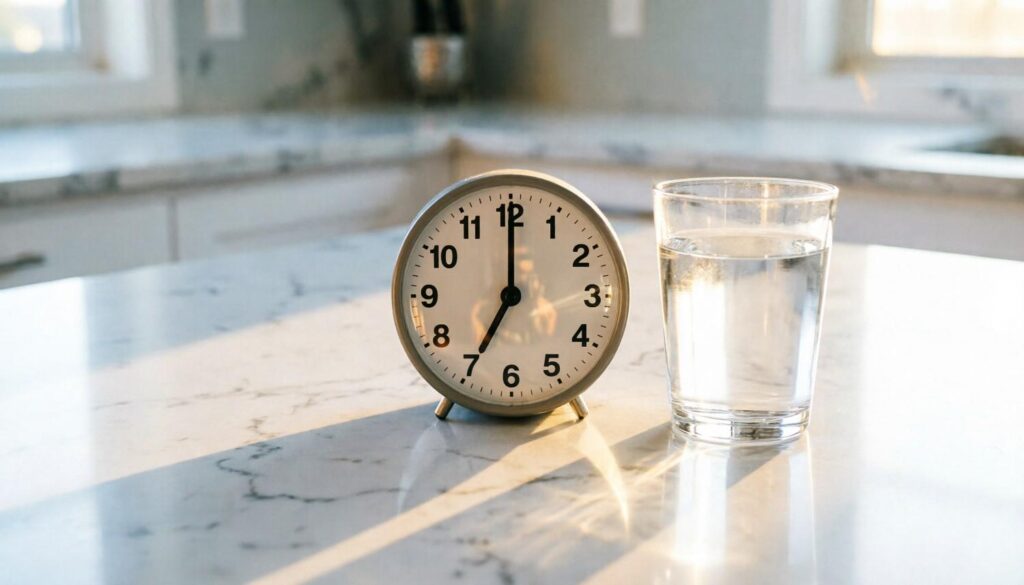
Yes — and for many beginners, this is actually one of the easiest and most powerful habits to start with.
Fasting from 7PM to 7AM is essentially a 12-hour overnight fast. You’re naturally sleeping for most of it, so you’re not actually sitting there starving. What you’re doing is creating a simple, structured eating window that naturally reduces late-night calorie intake.
Why it works so well:
- Evening and nighttime eating is one of the biggest sources of excess calories for most people — it’s rarely hunger, usually boredom or habit.
- Your body enters a fat-burning state during extended periods without food (especially overnight), known as the fasted state.
- It supports better blood sugar regulation, which reduces cravings the next morning.
- It gives your digestive system a genuine rest, which can reduce bloating and improve how you feel overall.
✅
Beginner Tip:If 7PM feels early, start with a 9PM cutoff and move it earlier gradually. The key isn’t the exact time — it’s creating a consistent window and stopping mindless evening snacking. Even moving your last meal from midnight to 10PM is meaningful progress.
This 12-hour approach is a gentle entry point into intermittent fasting and suits people who find strict diet rules overwhelming. It doesn’t require counting calories or cutting food groups. Just stop eating after dinner, sleep well, and begin your day with a nutritious breakfast.
That said, always listen to your body. If you’re lightheaded, excessively hungry, or have specific health conditions, discuss fasting approaches with your doctor before starting.
What Foods Burn Belly Fat While You Sleep?
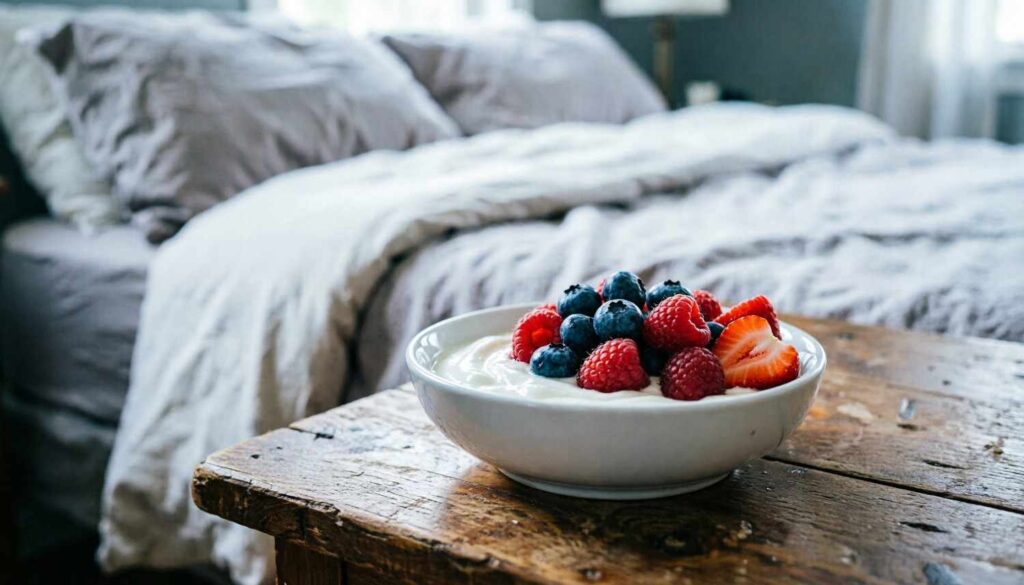
Okay, no food literally “burns” fat while you sleep — but some foods genuinely support the conditions that make overnight fat burning more efficient. They do this by keeping you satisfied so you don’t snack late, fueling overnight muscle repair (which burns calories), and stabilizing blood sugar.
- Greek yogurt — High in casein protein, which digests slowly and feeds muscle repair overnight. Also contains probiotics that support gut health.
- Cottage cheese — Another casein-rich powerhouse. Low in calories, very high in protein — a small bowl before bed can reduce nighttime muscle breakdown.
- Eggs — Rich in protein and healthy fats that support satiety. Great as an early dinner component.
- Berries — Low in sugar, high in fiber and antioxidants. They help regulate insulin levels, which supports fat burning at rest.
- Mixed nuts (small portion) — Healthy fats and protein keep you from waking up ravenous, which prevents overeating at breakfast.
- Chia seeds — Gel-forming fiber that keeps your digestive system working smoothly overnight and stabilizes blood sugar.
- Chamomile tea — Not a food, but worth mentioning: this herbal tea reduces cortisol (your stress/fat-storage hormone) and improves sleep quality, which is directly linked to fat loss.
⚠️
What to avoid in the evening:High-sugar snacks, chips, large portions of refined carbs, and alcohol. These spike blood sugar, disrupt sleep quality, and promote fat storage — the opposite of what you want overnight.
How Did Kelly Clarkson Lose Weight So Quickly?
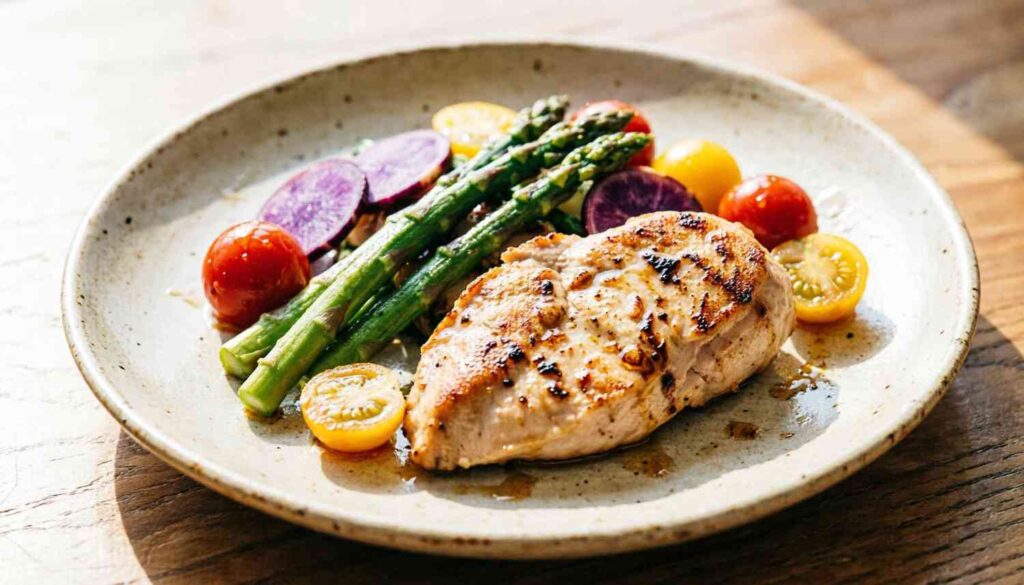
Kelly Clarkson’s visible weight loss transformation became a major talking point in recent years, and understandably so. People noticed and wanted answers.
In various interviews, Kelly has publicly discussed several health changes she made, including eating a cleaner, more protein-focused diet, reducing processed foods, and prioritizing walking — particularly after moving to New York City where walking is part of daily life.
She’s also discussed working with healthcare professionals who helped her manage her overall health, and has been open about the role of medical support in her wellness journey. Without going into unverified specifics, the publicly known elements of her approach align with several principles covered throughout this article:
- Focusing on whole, minimally processed foods
- Increasing daily physical activity (especially walking)
- Working with qualified health professionals
- Making sustainable lifestyle shifts rather than crash dieting
💬
Important reminder:Celebrity weight loss journeys are deeply personal and often include resources, professional teams, and individual health factors not available to everyone. Use these stories as inspiration, not as a blueprint. What worked for Kelly — or anyone else — may not be right for your unique body and lifestyle. That’s perfectly okay.
What Is the 3-3-3 Rule for Weight Loss?
The 3-3-3 rule is a simple, memorable framework that takes the decision fatigue out of healthy living. It’s particularly popular for beginners because it’s flexible, not rigid, and works with real life instead of against it.
3
Balanced Meals
Eat 3 structured meals per day — each with protein, fiber, and healthy fats. No skipping meals.
3
Movement Sessions
Move your body at least 3 times a day — even a 10-minute walk counts. Consistency beats intensity.
3
Healthy Daily Habits
Choose 3 non-negotiable habits — like drinking 2L of water, getting 7+ hours sleep, and eating protein at breakfast.
Example of a 3-3-3 day:
- Meals: Greek yogurt + berries (breakfast), grilled chicken salad (lunch), salmon + roasted veggies (dinner)
- Movement: 15-min morning walk + 10-min midday stretch + 20-min walk after dinner
- Habits: Drink 2L water ✓ Sleep 7+ hours ✓ No eating after 8PM ✓
The beauty of the 3-3-3 rule is that it doesn’t demand perfection — it creates a gentle rhythm. Miss one thing? You’ve still got the other eight. And that consistency is what moves the needle over 30 days.
What to Eat to Lose Belly Fat: 7-Day Beginner Meal Plan
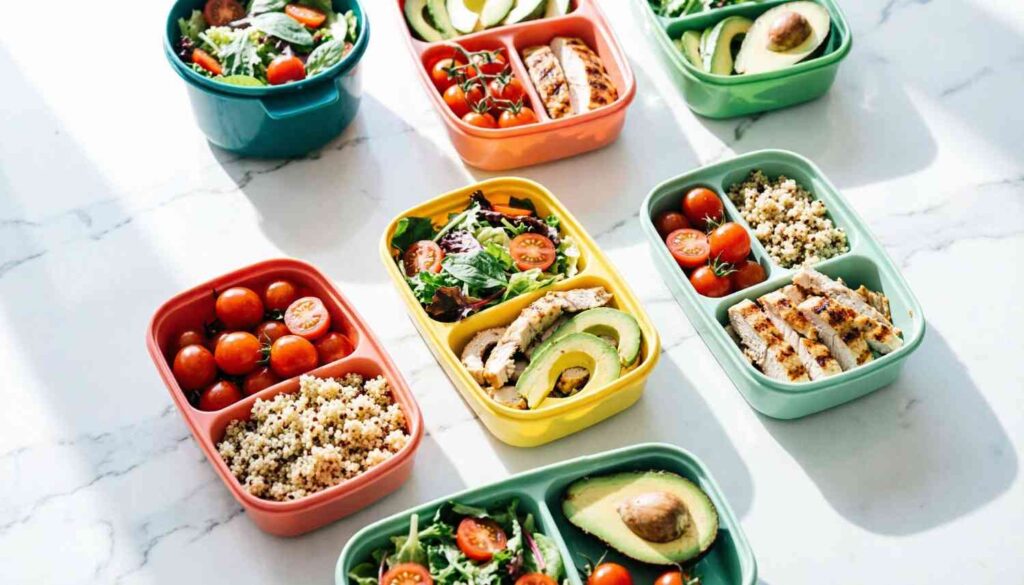
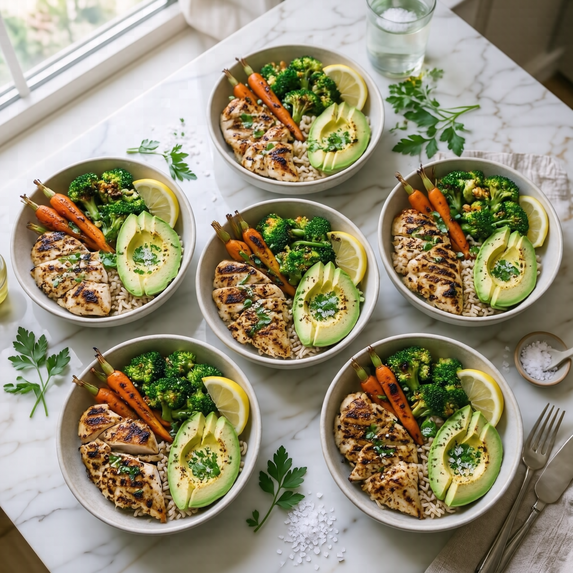
This meal plan is designed to be realistic, affordable, and beginner-friendly. No obscure ingredients, no chef-level cooking skills required. Just clean, satisfying food that supports fat loss.
| Day | Breakfast | Lunch | Dinner | Snack |
|---|---|---|---|---|
| Day 1 | 2 scrambled eggs + spinach + 1 slice whole grain toast | Grilled chicken salad with olive oil & lemon | Baked salmon + roasted broccoli + quinoa | Greek yogurt + berries |
| Day 2 | Oatmeal with chia seeds, banana + black coffee | Turkey & avocado wrap in a whole wheat tortilla | Ground beef stir fry with mixed veggies + brown rice | Apple + 1 tbsp almond butter |
| Day 3 | Greek yogurt parfait with granola + blueberries | Lentil soup + side salad | Chicken breast + sweet potato + steamed green beans | Handful of mixed nuts |
| Day 4 | 2 boiled eggs + 1 avocado toast | Tuna salad (olive oil base) on leafy greens | Shrimp stir fry with zucchini noodles + soy-ginger sauce | Carrot sticks + hummus |
| Day 5 | Protein smoothie: banana, protein powder, spinach, almond milk | Black bean bowl with rice, corn, salsa & sour cream | Baked cod + cauliflower rice + roasted peppers | Cottage cheese + cucumber slices |
| Day 6 | Veggie omelette (3 eggs) with mushrooms & tomatoes | Grilled salmon rice bowl with edamame & avocado | Turkey meatballs + zucchini pasta + marinara sauce | Berries + a square of dark chocolate |
| Day 7 | Chia seed pudding with mango & coconut milk | Chicken wrap with hummus, veggies & feta | Slow-cooked white bean & vegetable stew | Rice cake + almond butter |
🍽️
Meal Plan Tips:Prep your proteins in bulk on Sunday to save time. Always have a high-protein snack option visible and accessible. Drink a glass of water before each meal. Don’t fear leftovers — they’re a fat loss secret weapon.
What Is the Japanese Trick to Lose Weight?
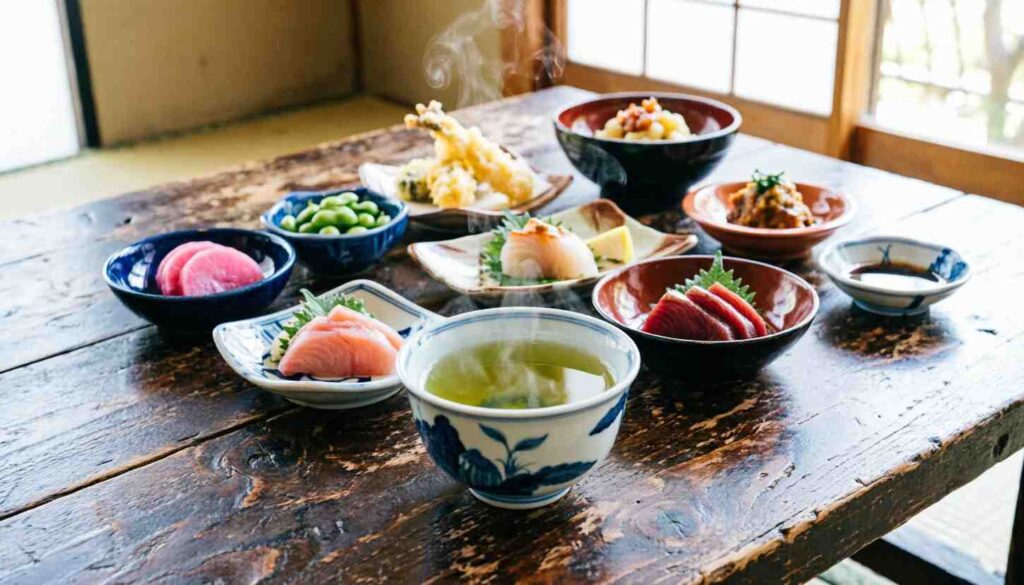
Japan consistently ranks among the world’s healthiest nations, and their approach to food is genuinely worth understanding. It’s less of a “trick” and more of a deeply embedded cultural relationship with food and movement.
The most referenced concept is Hara Hachi Bu — a Confucian teaching meaning “eat until you are 80% full.” It sounds simple, but it’s profoundly effective because it requires slowing down, paying attention, and stopping before you’re stuffed.
Key elements of the Japanese approach:
- Smaller portions — Meals are presented in small, thoughtfully portioned servings rather than giant plates.
- Mindful eating — No phones, no rushing. The act of eating is given full attention.
- Eating slowly — It takes about 20 minutes for your brain to register fullness. Eating slowly helps you naturally eat less.
- Daily walking — In Japan, walking is baked into daily life. Commuting on foot, taking stairs, and neighborhood walks are normal.
- Minimally processed foods — Traditional Japanese cuisine emphasizes fish, rice, vegetables, fermented foods (like miso and natto), and green tea.
- Green tea culture — Consumed daily, green tea supports metabolism and provides antioxidants without sugar calories.
🧘
Try this tonight:Put your fork down between bites. Eat without screens. Take 20 minutes for your meal instead of 5. This one shift alone can meaningfully reduce how many calories you consume — without changing a single food on your plate.
Does Drinking Water Help With Weight Loss?

Yes — and more meaningfully than most people think. Water isn’t just “good for you” in a vague, general way. Its effects on weight loss are specific and measurable.
- Appetite control: Drinking 500ml (about 2 cups) of water before meals has been shown in studies to reduce calorie intake by 13% on average during that meal.
- Replaces caloric drinks: Swapping a single 350ml can of soda per day for water saves roughly 150 calories — that’s over 4,500 calories (about 1.3 lbs of fat) over 30 days.
- Supports digestion: Adequate hydration keeps your digestive system moving smoothly, reducing the bloating and sluggishness that can make you feel heavier than you are.
- Boosts energy: Even mild dehydration causes fatigue and reduces your motivation to move. Staying hydrated helps you stay active.
- Mild metabolic boost: Some research suggests drinking cold water temporarily increases your metabolic rate by 24–30% for about an hour — your body works to warm the water.
- Workout performance: You burn more calories during exercise when you’re properly hydrated.
Aim for 2–3 liters of water per day.
Add lemon, cucumber, or mint to make it more appealing. Set a reminder on your phone if you forget. Start each morning with a large glass before your coffee.
Best Foods for Fast, Healthy Weight Loss
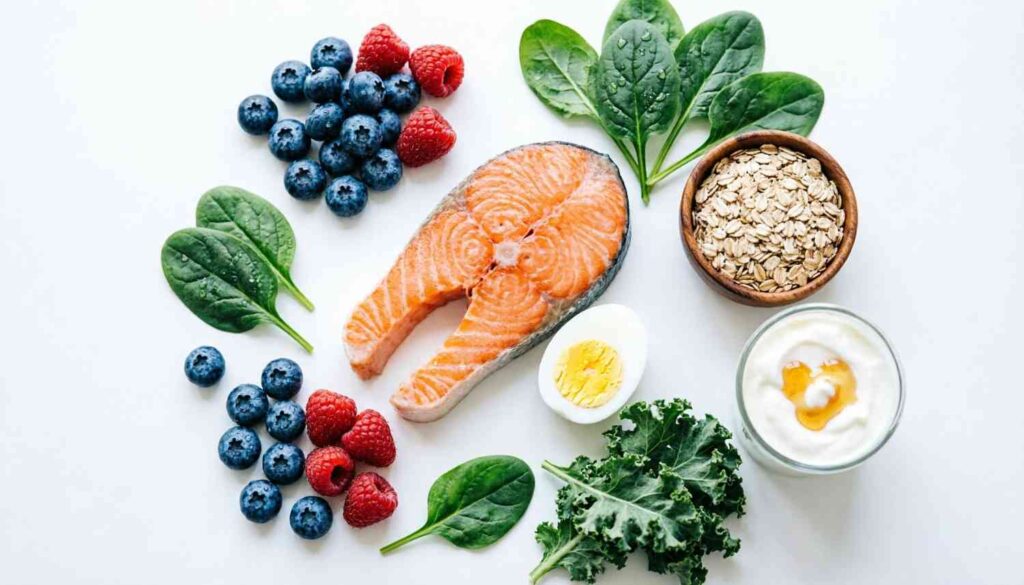
| Food | Why It Helps Fat Loss | Easy Meal Idea |
|---|---|---|
| 🥚 Eggs | High protein, keeps you full for hours, supports muscle | Scrambled eggs with spinach & avocado toast |
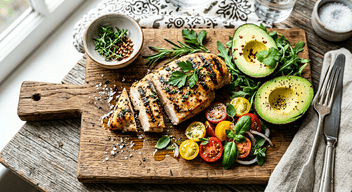
| 🍗 Chicken breast | Lean protein, very low fat, very filling | Grilled chicken salad with olive oil dressing |
| 🐟 Salmon | Omega-3s reduce inflammation, protein keeps hunger at bay | Baked salmon with roasted broccoli |
| 🌾 Oats | Slow-digesting carb, reduces hunger hormones (ghrelin) | Overnight oats with berries & chia seeds |
| 🫐 Berries | Low sugar, high fiber, antioxidant-rich | Add to yogurt, oatmeal, or smoothies |
| 🥬 Leafy greens | Very low calorie, high fiber & volume — fills your plate | Big salad base for any protein |
| 🥔 Potatoes | Ranked #1 on the Satiety Index — keeps you full longest | Baked potato + Greek yogurt topping |
| 🫘 Beans & lentils | Protein + fiber combo reduces calorie intake naturally | Black bean bowl or lentil soup |
| 🌱 Chia seeds | Expand in stomach, stabilize blood sugar, rich in fiber | Chia pudding or stirred into oatmeal |
| 🫙 Greek yogurt | Casein protein, probiotics for gut health | Yogurt parfait or savory dip base |
Easy Daily Habits That Speed Up Fat Loss
The gap between people who succeed at weight loss and those who don’t usually isn’t willpower. It’s systems and habits. Small, daily actions that don’t feel like a big deal individually — but add up to something transformative over 30 days.
- 🚶 Walk after meals — Even a 10-minute post-meal walk significantly reduces blood sugar spikes and increases calorie burn.
- 🍳 Protein at breakfast — Starting your day with protein (eggs, Greek yogurt, a protein shake) reduces total calorie intake for the entire day.
- 📦 Meal prep 2–3 days ahead — When healthy food is ready and waiting, you won’t reach for junk. This single habit changes everything.
- 😴 Sleep 7–8 hours — Sleep deprivation increases cortisol (belly fat hormone) and ghrelin (hunger hormone). No amount of diet perfection compensates for chronic poor sleep.
- 💧 Drink water before meals — Reduces portion sizes naturally without feeling deprived.
- 📵 Reduce liquid calories — Swap one sugary drink per day for water or herbal tea. It adds up fast.
- 📝 Track your food for just 3 days — Even a brief period of tracking creates powerful awareness of where hidden calories are coming from.
Common Weight Loss Mistakes That Slow Results
⛔
Image prompt: Person looking frustrated at a scale, relatable expression, soft home lighting, empathetic lifestyle photo
If you’ve been trying to lose weight and not seeing results, one of these common mistakes might be the reason. Recognizing them isn’t about judgment — it’s about giving yourself a genuine chance to succeed.
- ❌ Detox teas and cleanses — These don’t burn fat. They cause water loss and often diarrhea. The weight returns immediately. They’re not worth your money or your gut health.
- ❌ Skipping meals — Especially breakfast. This slows your metabolism and leads to intense hunger later in the day, causing overeating. It backfires consistently.
- ❌ Crash dieting under 1,000 calories — Your body interprets extreme calorie restriction as starvation and downregulates metabolism. You also lose muscle, making future fat loss harder.
- ❌ Inconsistent eating patterns — Eating very little Monday through Friday then going off the rails on weekends negates your weekly deficit. Consistency, not perfection, is what moves the needle.
- ❌ Not eating enough protein — The most common and most costly mistake. Without sufficient protein, you lose muscle alongside fat — and muscle is your metabolic engine.
- ❌ Obsessing over the scale daily — Your weight fluctuates by 1–3 lbs day to day based on water, sodium, hormones, and digestion. Daily weigh-ins cause emotional spirals. Weigh yourself weekly, same time, same conditions.
- ❌ Exercising but not eating well — You can’t out-run a bad diet. Nutrition drives roughly 80% of your weight loss results. Exercise supports and accelerates it — but it’s not the driver.
Frequently Asked Questions
What is the fastest healthy way to lose weight?
The fastest healthy approach combines a moderate calorie deficit (300–500 calories below your daily needs), high protein intake, daily movement (especially walking and strength training), 7–8 hours of sleep, and staying well-hydrated. Consistency over 30 days produces visible results without harming your metabolism.
Can walking help lose belly fat?
Yes, absolutely. While you can’t spot-reduce fat from just your belly, walking consistently contributes to overall calorie deficit, which reduces total body fat including visceral (belly) fat. Studies show that regular walking reduces waist circumference meaningfully over 4–12 weeks. Aim for 8,000–10,000 steps per day for best results.
Is lemon water good for fat loss?
Lemon water is a great hydration habit and a tasty way to drink more water throughout the day — which itself supports fat loss. The lemon adds vitamin C and a small amount of polyphenols. It won’t melt fat directly, but as a replacement for sugary drinks and as a hydration motivator, it’s a genuine positive addition to your routine.
What breakfast helps burn belly fat?
A high-protein breakfast is your best bet. Options like 2–3 scrambled eggs with vegetables, Greek yogurt with berries, cottage cheese with fruit, or a protein smoothie with greens all reduce hunger hormones for hours and set you up to eat less throughout the day. Avoid sugary cereals, pastries, and fruit juices in the morning — these spike blood sugar and trigger cravings within 2 hours.
Is fasting effective for weight loss?
Yes, particularly when it helps you create a consistent calorie deficit. Intermittent fasting approaches (like the 16:8 method or the simpler 12-hour overnight fast from 7PM to 7AM) work because they naturally reduce eating windows and eliminate late-night snacking. They’re not magical — they work through calorie reduction — but many people find the structure easier to follow than calorie counting.
How much weight can I realistically lose in 30 days?
With consistent effort — a moderate calorie deficit, high protein, regular movement, and good sleep — most beginners can lose 4–8 lbs of actual fat in 30 days. You may also lose an additional 2–5 lbs of water weight and bloat in the first week, especially if cutting processed foods and sodium. Total visible changes: significant if you stay consistent, and you’ll feel noticeably better in energy, mood, and how clothes fit.
Final Thoughts
Here’s what I want you to carry with you as you leave this article and begin your 30 days:
You don’t have to be perfect. You just have to be consistent.
There will be days when you eat the pizza. When you skip the walk. When the scale doesn’t move and you feel frustrated. That’s life, and that’s okay. The people who succeed at long-term fat loss aren’t the ones who never slip — they’re the ones who get back to their habits the next morning without drama or guilt.
Focus on adding good things — more protein, more water, more sleep, more steps — rather than restricting everything at once. Build one small habit at a time until it’s automatic, then add the next one.
You have 30 days. That’s real, meaningful time to make real, meaningful change. Not transformation-photo change necessarily — but feel-better, move-easier, think-clearer, fit-into-those-jeans change. And that’s genuinely worth starting today.
You’ve got this. One day at a time. 💚
Ready for More Healthy Meal Ideas?
Looking for realistic meal ideas and easy healthy recipes? Explore beginner-friendly wellness tips and fat-loss meals designed for real life — no chef skills required.Explore Best Carb Recipes →

Food lover and creator of BestCarbRecipes, sharing easy recipes, low-carb meal ideas, healthy cooking inspiration, calorie-friendly tips, and practical food guides to make everyday eating simpler, healthier, and more delicious.